Gold & Grandeur between Two Worlds: Seville & Córdoba
Date - Tuesday 23 - Sunday 28 February 2027
Lecturer - Fernando Gordillo with James Hill
Location - Seville, Spain
Price - £2675 per person (2 sharing)
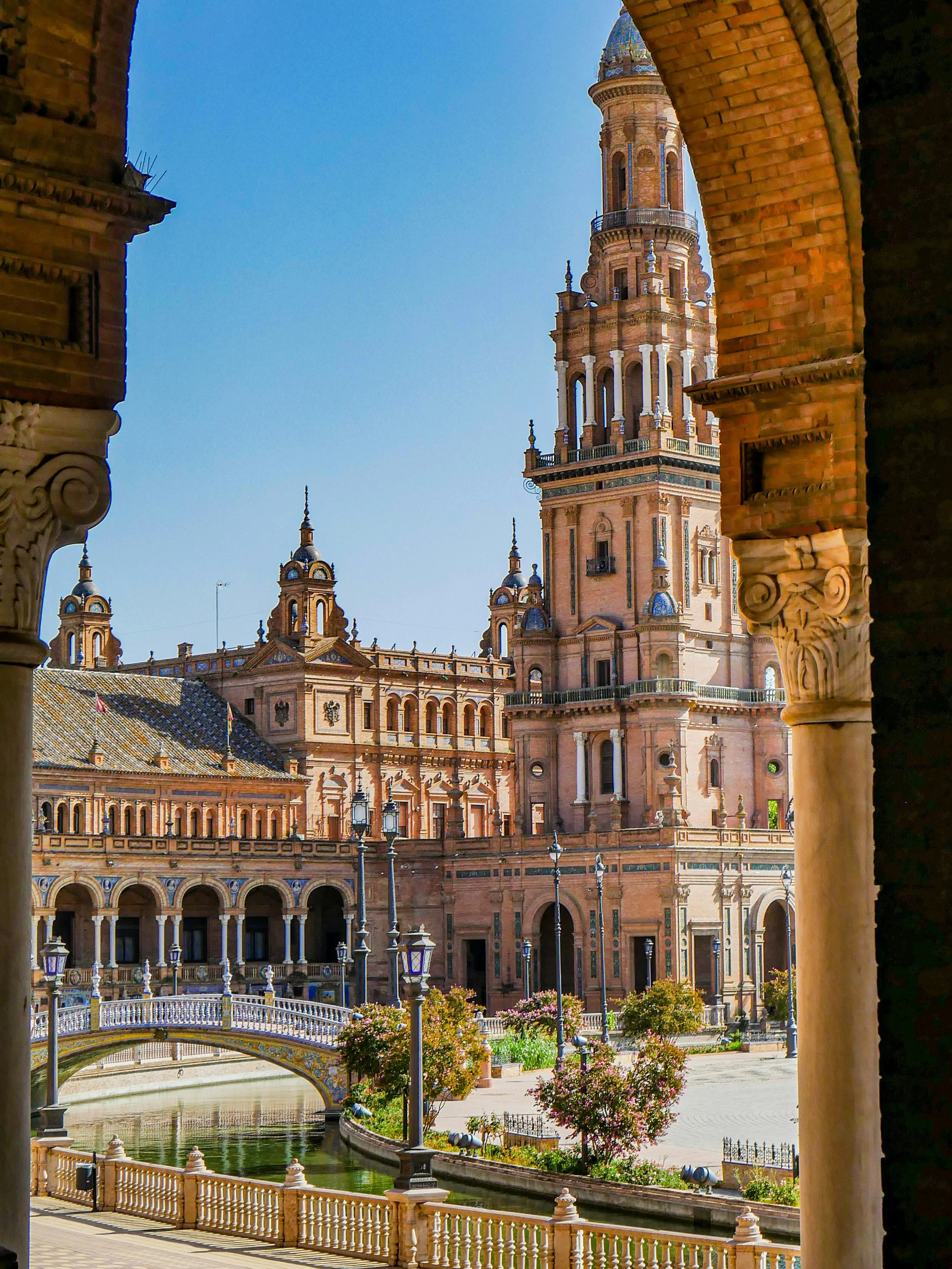
The fall of the last Muslim bastions, the discovery of the New World and the union of the Kingdoms of Castille and Aragon would all have lasting impacts on Seville. It was during the sixteenth and seventeenth centuries that the city became port and gateway to the Indies, gold and silver from the mines of South America pouring into the city. Seville enjoyed a quite literal ‘Golden Age’, reflected in the city’s churches, palaces and artistic patronage amidst the religious fervour of the Counter-Reformation church. The visual culture of Islam is vivid in the buildings we shall encounter whilst the wealth of Seville in its palaces and collections will be our constant companions at a quieter time for the Andalusian city.
-
Discover Seville at an unhurried pace
Enjoy its greatest palaces complemented with private access
A day in Córdoba
Visit Seville’s premier art gallery with captivating works by Murillo & Zurbarán
Excellent food and wine, final group meal at a Michelin-starred restaurant
Comfortable historic hotel in the heart of the city
After the Germanic conquest of Roman Hispania and Visigothic rule, the most intimate and sustained encounter in Mediterranean Europe between Islam and Christianity took place on the Iberian Peninsula. It is reflected in the language, agriculture, cuisine, commerce and scientific learning not only of Spain but of the wider Mediterranean and the West. Christian forces ultimately prevailed with the fall of al-Andalus (the Reconquista) punctuated by sieges in both Córdoba (1236) and Seville (1248), leaving Granada as the sole Muslim-ruled state in the south and Seville’s incorporation into the Kingdom of Castille. Echoes of Moorish rule are today still vividly evident in the visual culture of Andalusia’s architecture and decorative arts which in later centuries were fused with new renaissance ideas and styles.
The late fifteenth century also marked a turning point in Spanish history. The fall of the last Muslim bastions, the discovery of the New World and the union of the Kingdoms of Castille and Aragon would all have lasting impacts on Seville; its position on the Guadalquivir River unique as the only inland port navigable by royal ships. Energies that had once focused on the struggle against Islam could now be deployed beyond Spain and Europe. It was during the sixteenth and seventeenth centuries that Seville became port and gateway to the Indies, gold and silver from the mines of South America pouring into the city. Seville enjoyed a quite literal cultural Golden Age, reflected in the city’s churches, palaces and artistic patronage amidst the religious fervour of the Counter-Reformation church. This is the world we shall encounter during our gently paced tour in late February. The visual culture of Islam is vivid in the buildings we encounter, especially during our day in Córdoba, whilst the wealth of Seville in the palaces and collections will be our constant companions, not forgetting, of course, Spain’s warm welcome to visitors and its excellent cuisine.
James will be joined by Seville native and experienced guide, Fernando Gordillo. We stay at the 4* Hospes Las Casas del Rey de Baeza situated in the Santa Cruz district of the historical centre of the city. This historic and former eighteenth century farmhouse has a bar, restaurant, wellness centre and a roof top swimming pool (available in good weather). All that we wish to see, including bars, shops and restaurants are within easy and reasonable walking distance.
-
Day 1: Tuesday 23 February – We fly from London’s Gatwick Airport mid-afternoon to Seville, arriving early evening. It is a very short transfer into the city where we check-in at the 4* Hospes Las Casas del Rey de Baeza. Our first group dinner is in our hotel’s restaurant – wine, water and coffee are included with all group lunches and dinners.
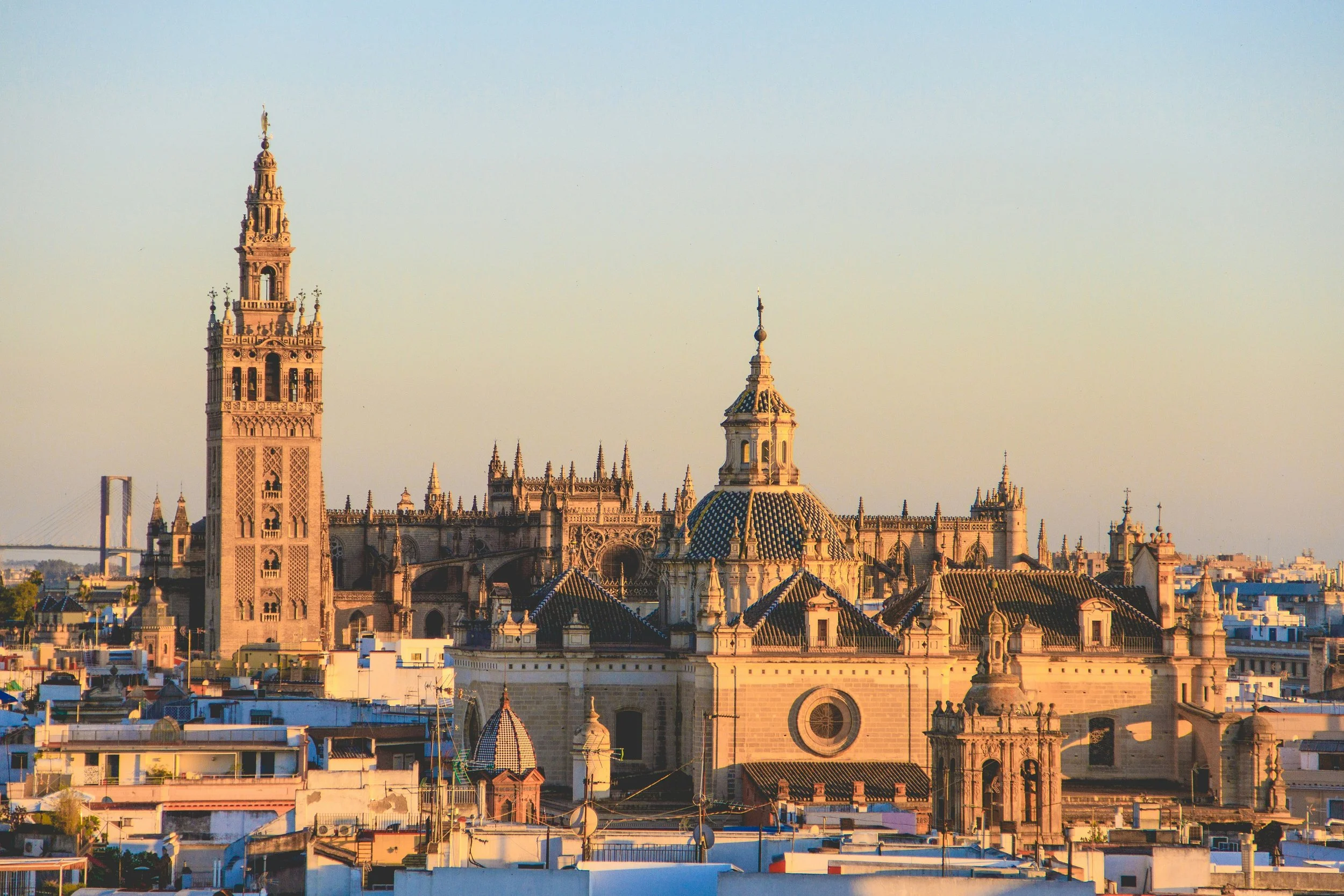
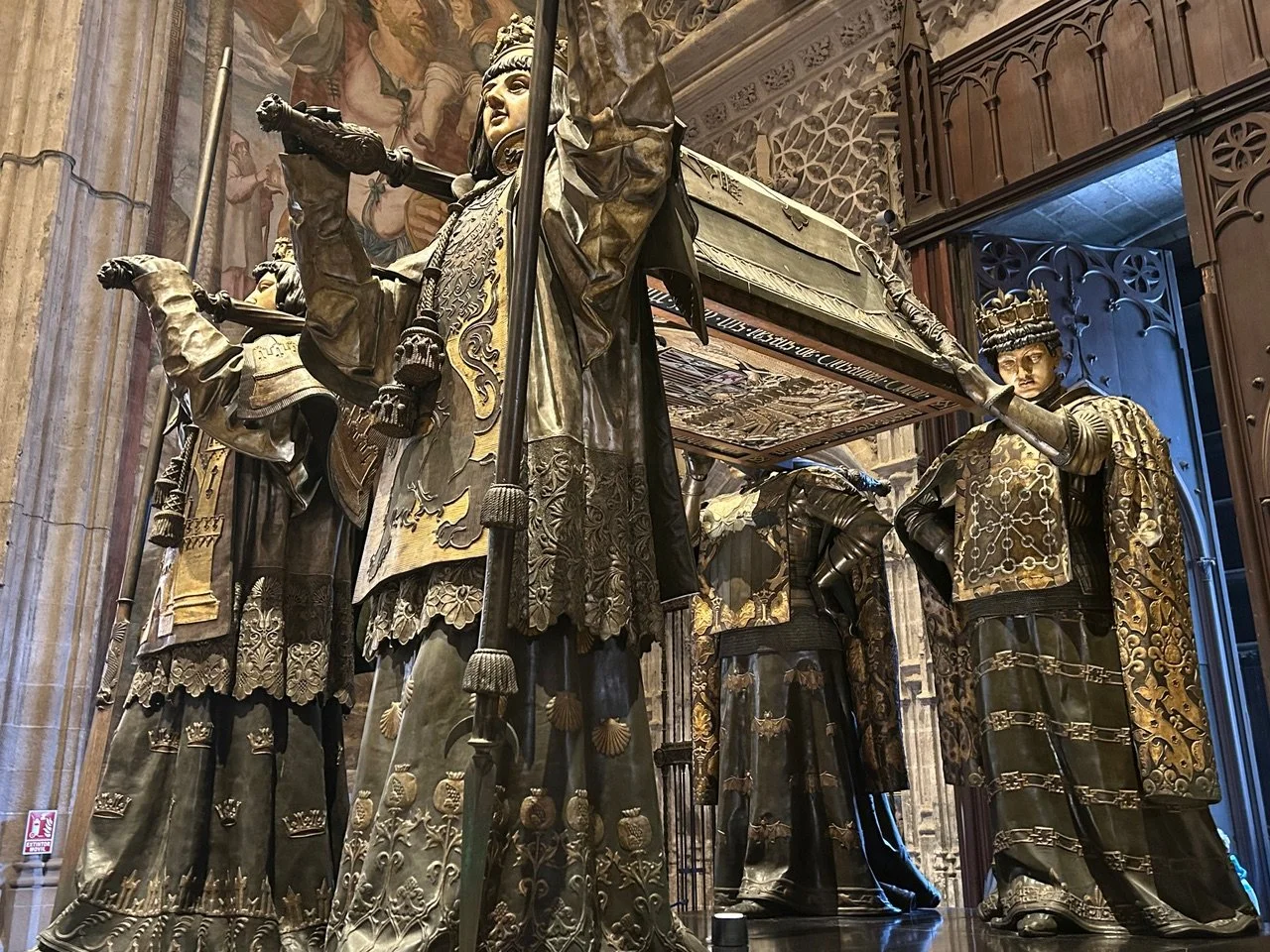
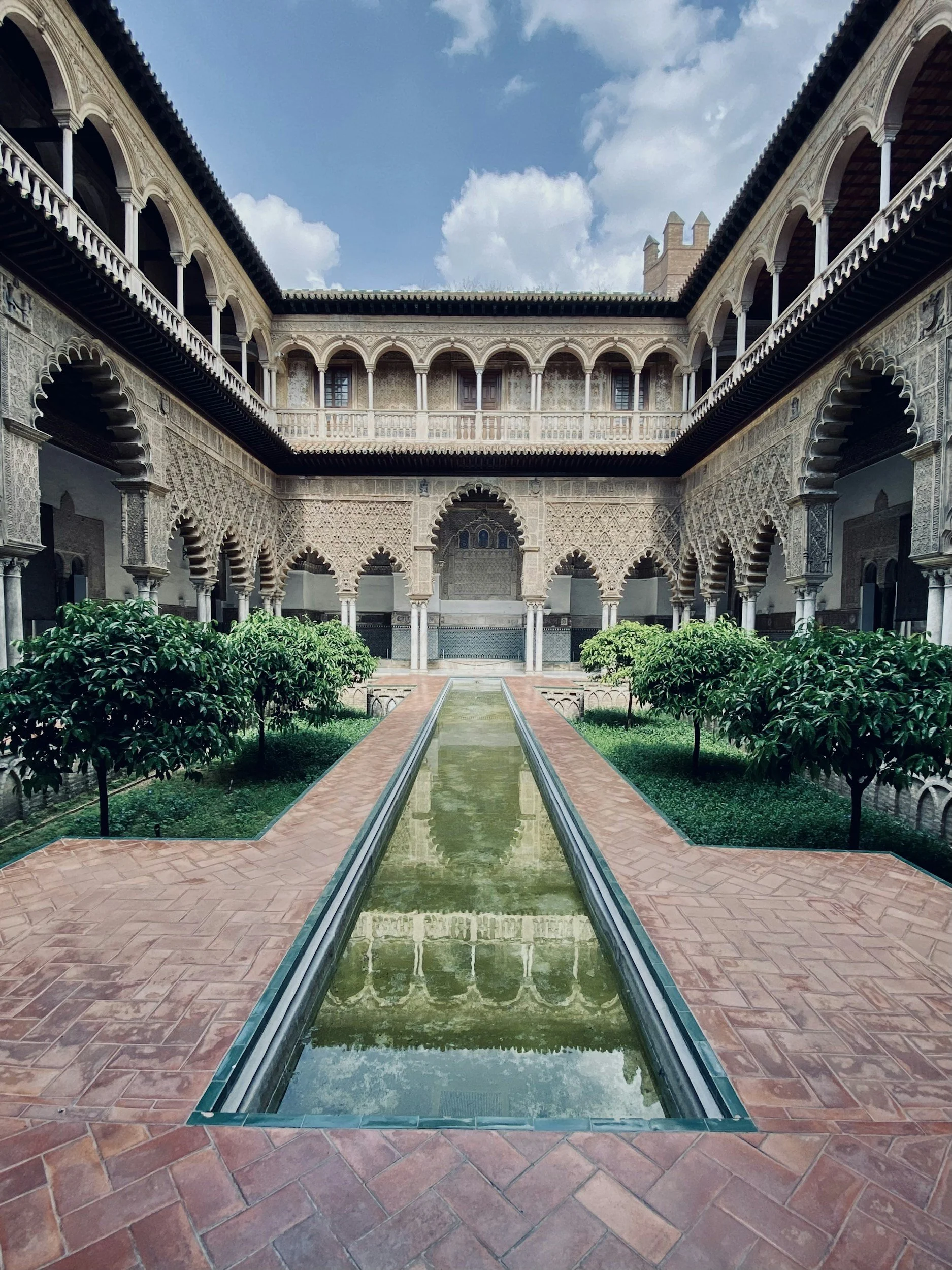
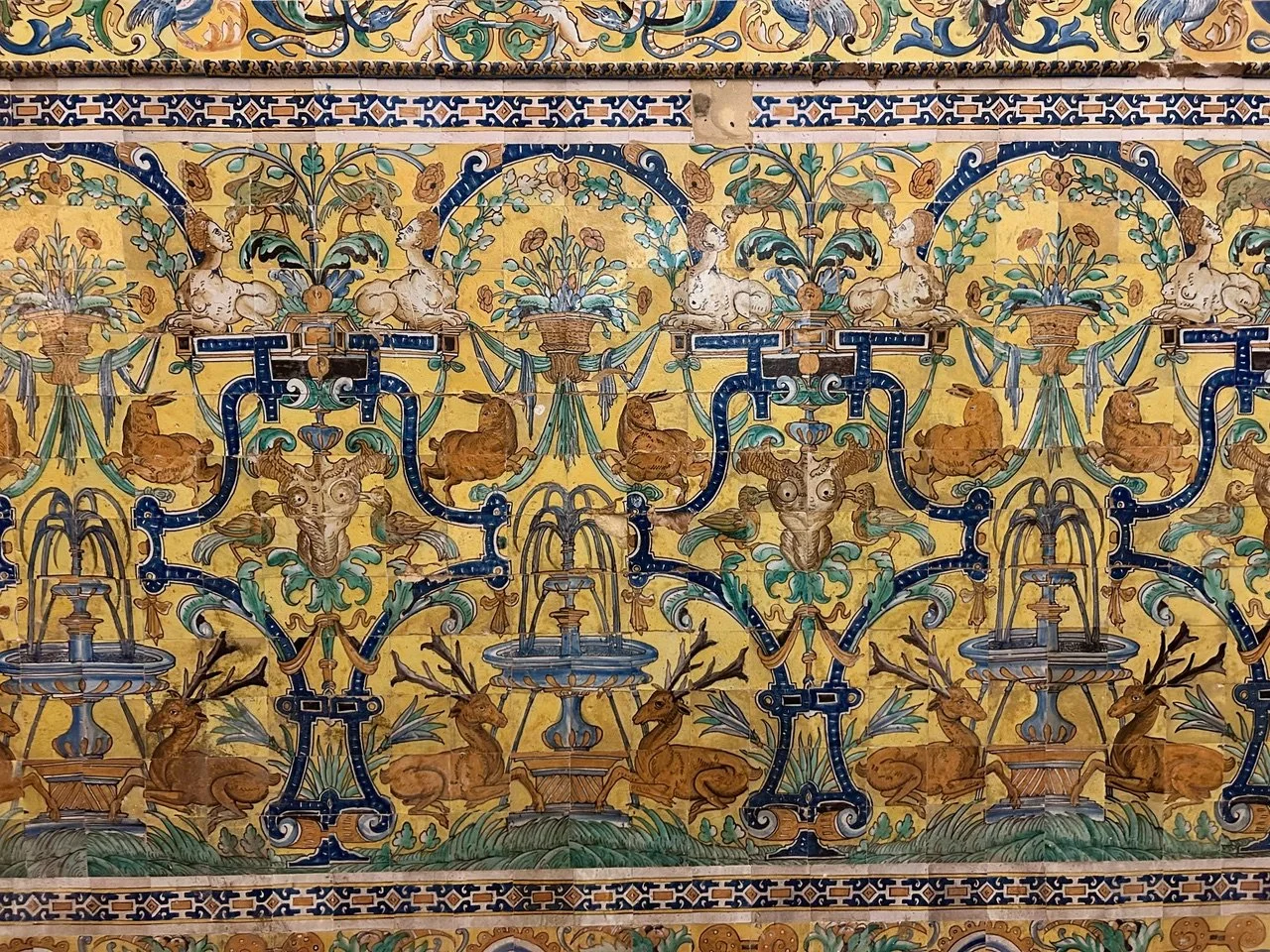
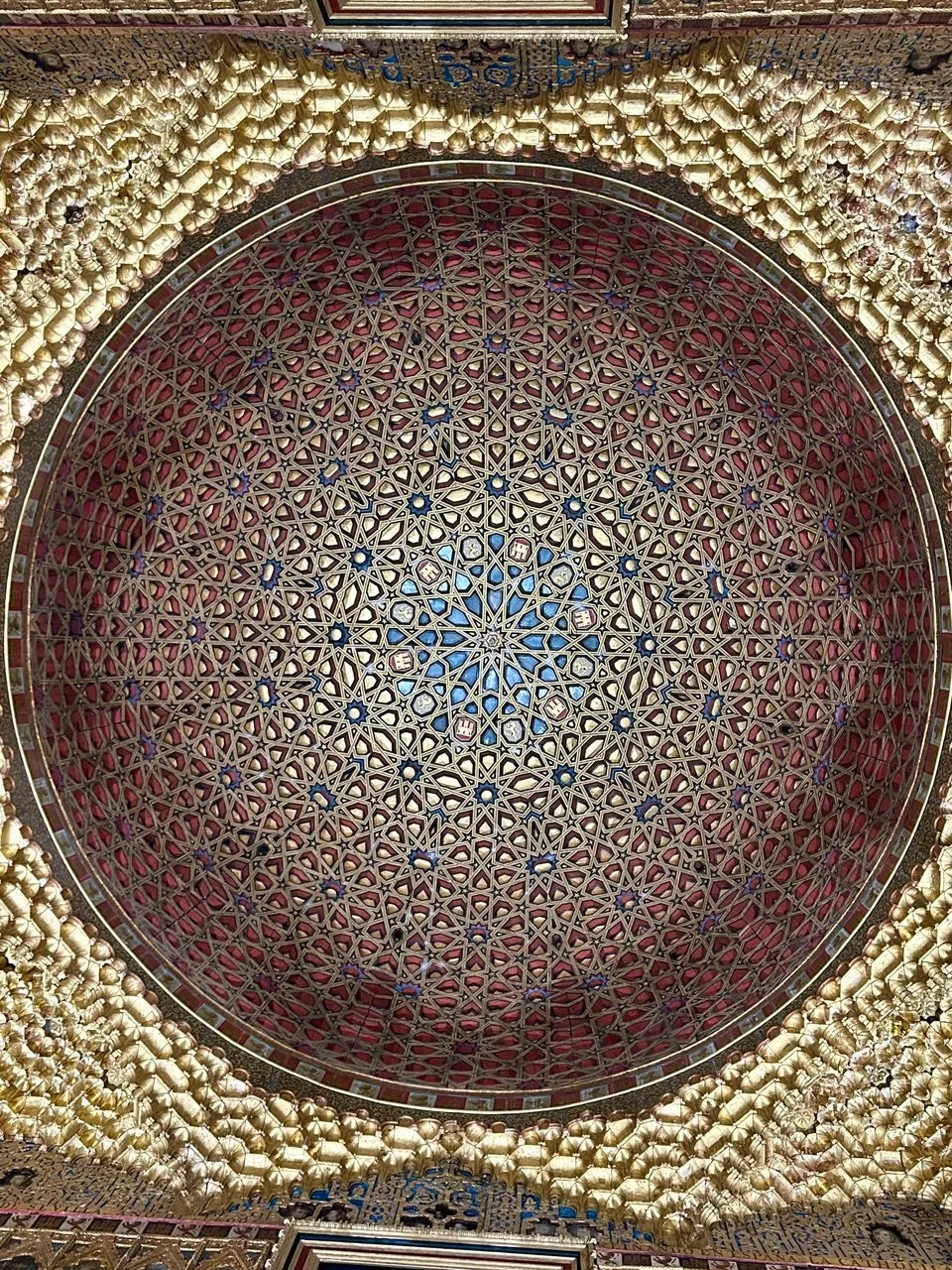
Day 2: Wednesday 24 February – On our first morning, we stroll through the Santa Cruz district to the Plaza del Triunfo. Here we are confronted with the Real Alcázar, where we spend much of the morning. Home to Muslim emirs and Catholic kings across seven centuries, it was master craftsmen from Granada and Toledo who decorated the fortified Gothic royal residence from 1364 for Pedro I. Highly decorated Mudéjar courtyards and enclosed gardens await us at every turn with successive monarchs adding their own touches to the gardens and royal apartments, the latter of which we shall have special access to. After lunch (not included), we pause to admire the symbolic Giralda bell tower and visit the adjoining cathedral. Built over the site of the Ahmohad mosque in the twelfth century, work began in 1401. It is an immense achievement and highly ornate both externally and internally across the nave, choir and sacristies. The tomb of one Christopher Columbus and his son also lies within. The remainder of the afternoon and evening will be free.
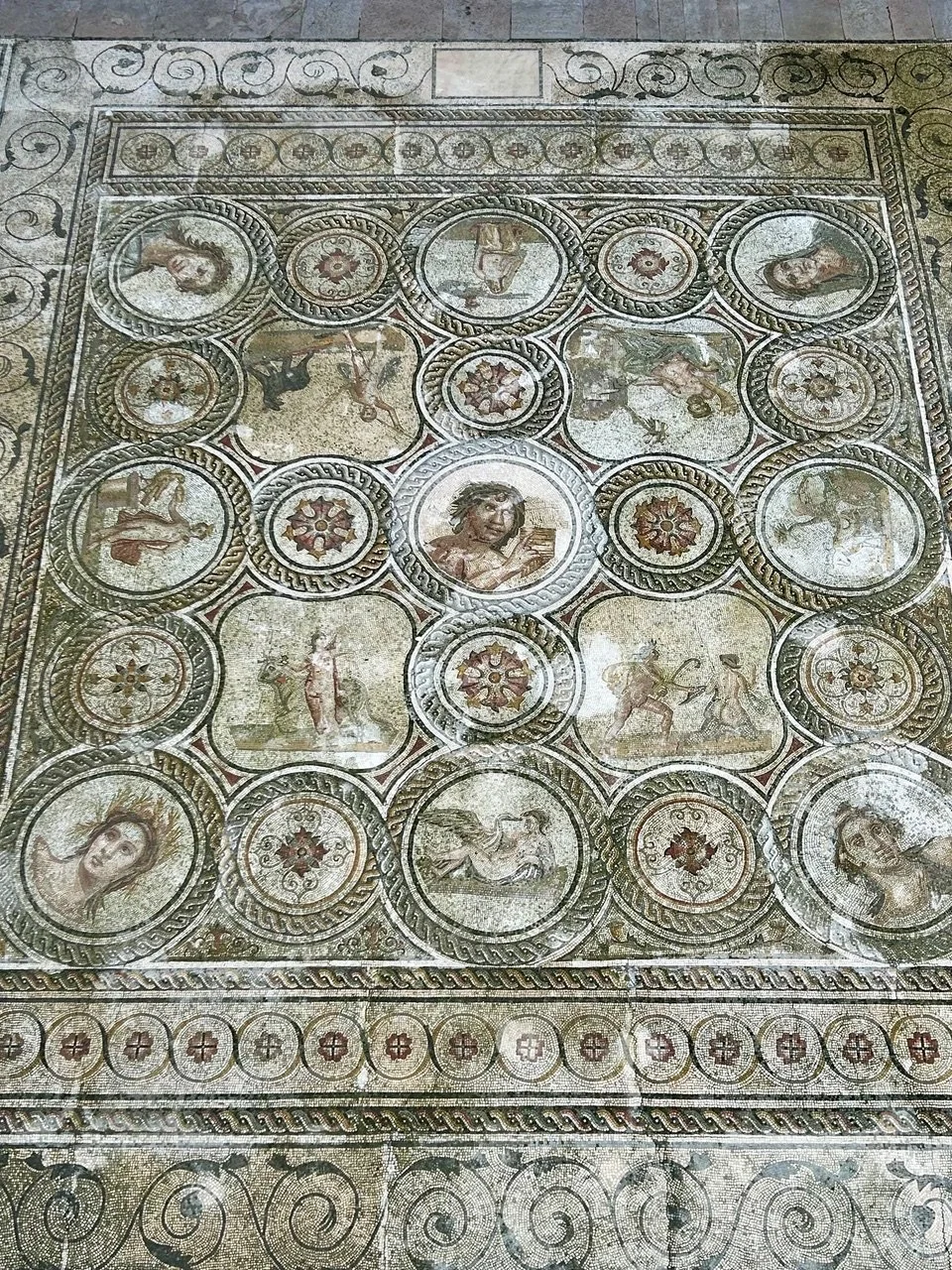
Day 3: Thursday 25 February – This morning we visit two palaces. The Casa del Pilatos is the current home of the Dukes of Medinaceli; the palace marrying sixteenth century Italianate renaissance building (amongst the family’s ranks were two viceroys to Naples) with Mudéjar decoration. In short, the archetypal Andalusian palace and the largest in the city. Antiquities, fine arts and furniture can be found upstairs which we shall visit privately. After a coffee break, we visit Palacio de Lebrija. The home of the family of Countess Lebrija since 1901, its richly decorated interiors accent the countess’ interest in antiquities from the nearby Roman site of Italica which include a spectacular courtyard mosaic. We pause for a group lunch after which the remainder of the day will be free for private explorations of the city.
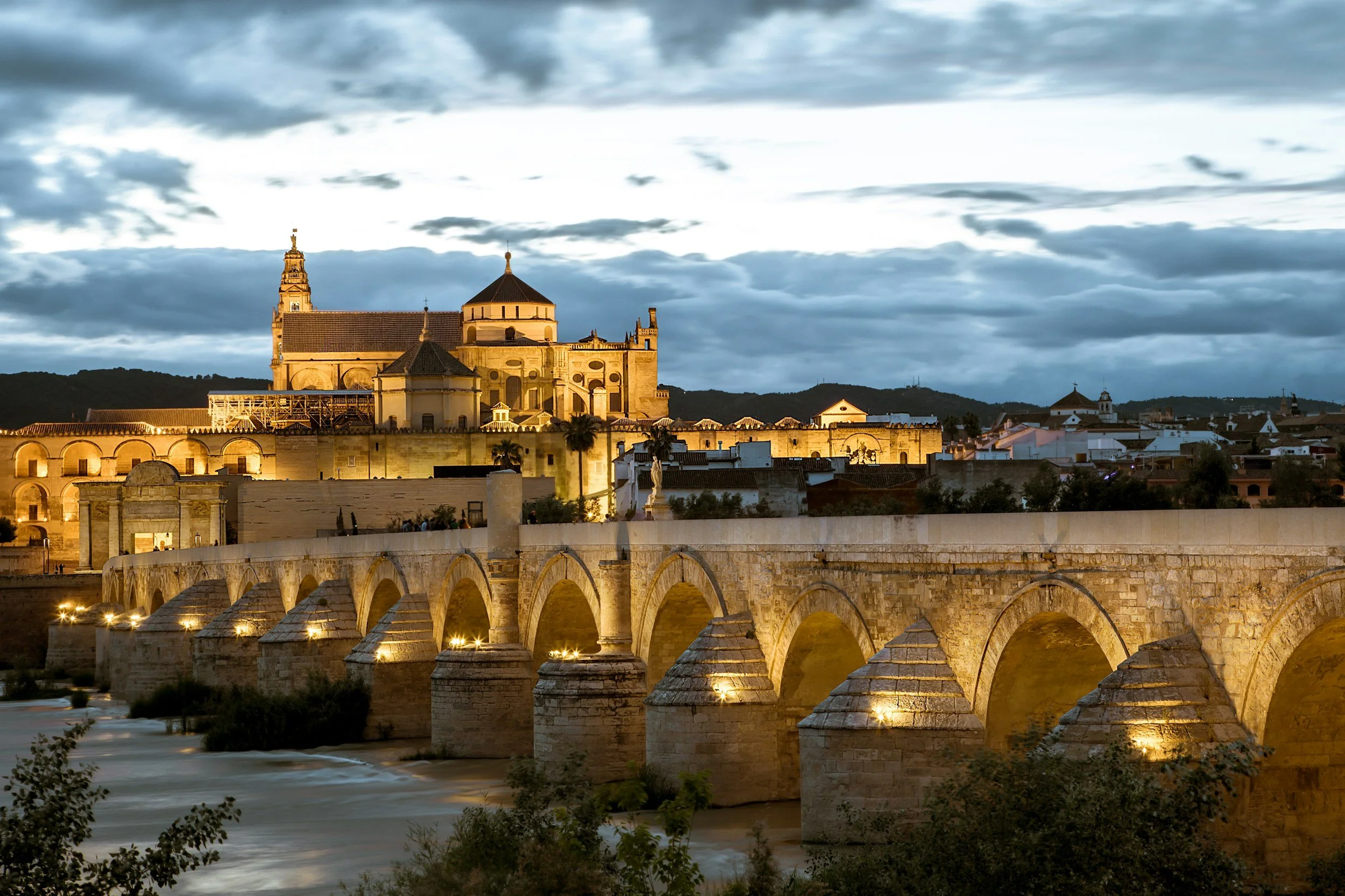
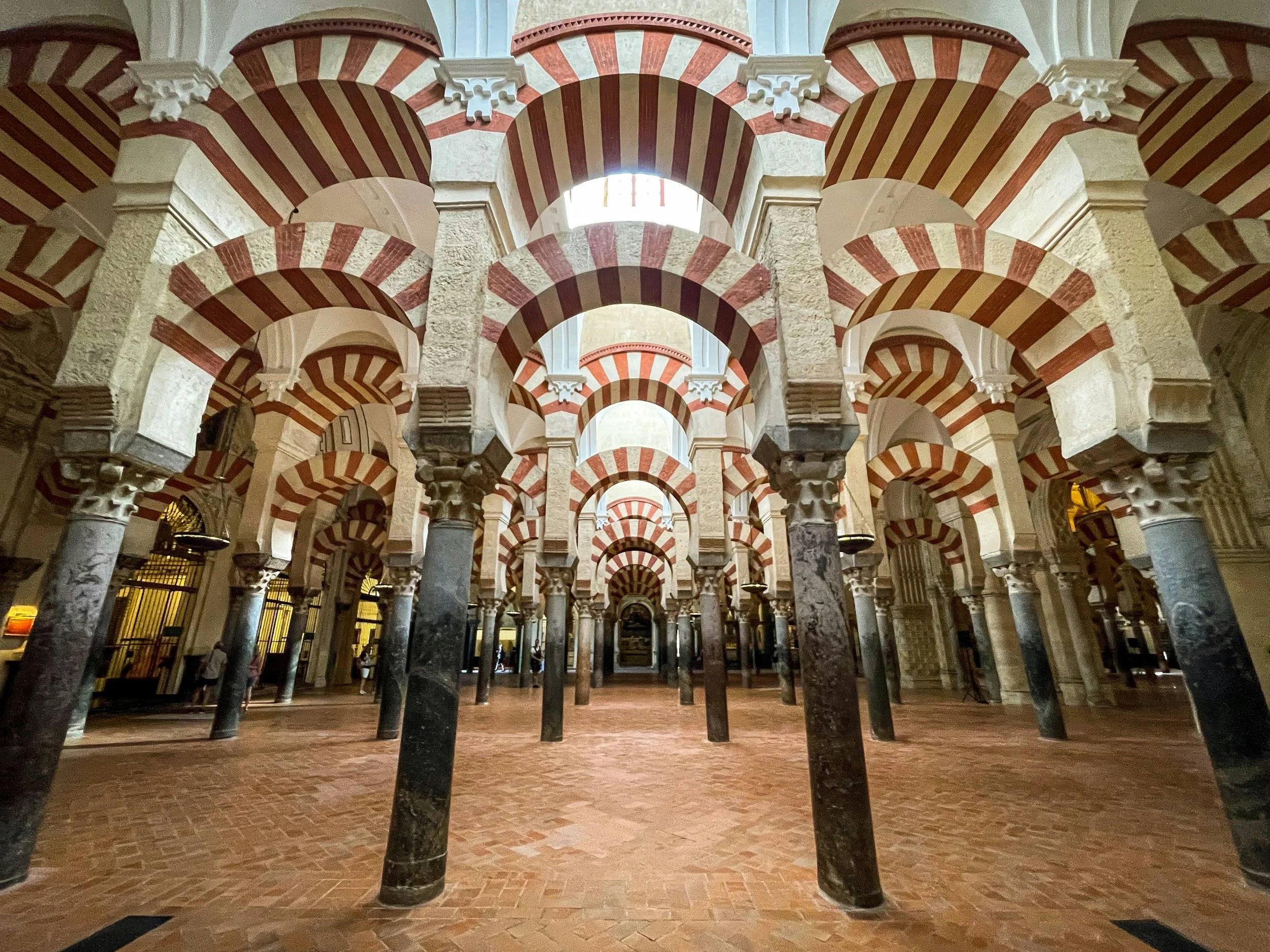
Day 4: Friday 26 February – We spend the day in Córdoba, the former capital of Moorish al-Andalus. Embodying Islam on the Iberian Peninsula is its greatest mosque, the Mezquita, today the city’s cathedral where - after a coffee break -we shall begin our visit. Begun in 785 AD by Abd al-Rahman I, the founder of the Emirate of Córdoba, successive rulers added to the complex up to the tenth century with minor alterations after the Riconquista until the sixteenth century when a renaissance nave and transept were added. We shall have a group lunch and, in the afternoon, stroll through the town concluding with a visit to the excellent archaeological museum displaying a varied range of finds from Roman and Moorish times to the early modern era. After a busy day, we return to Seville after which the evening will be free.
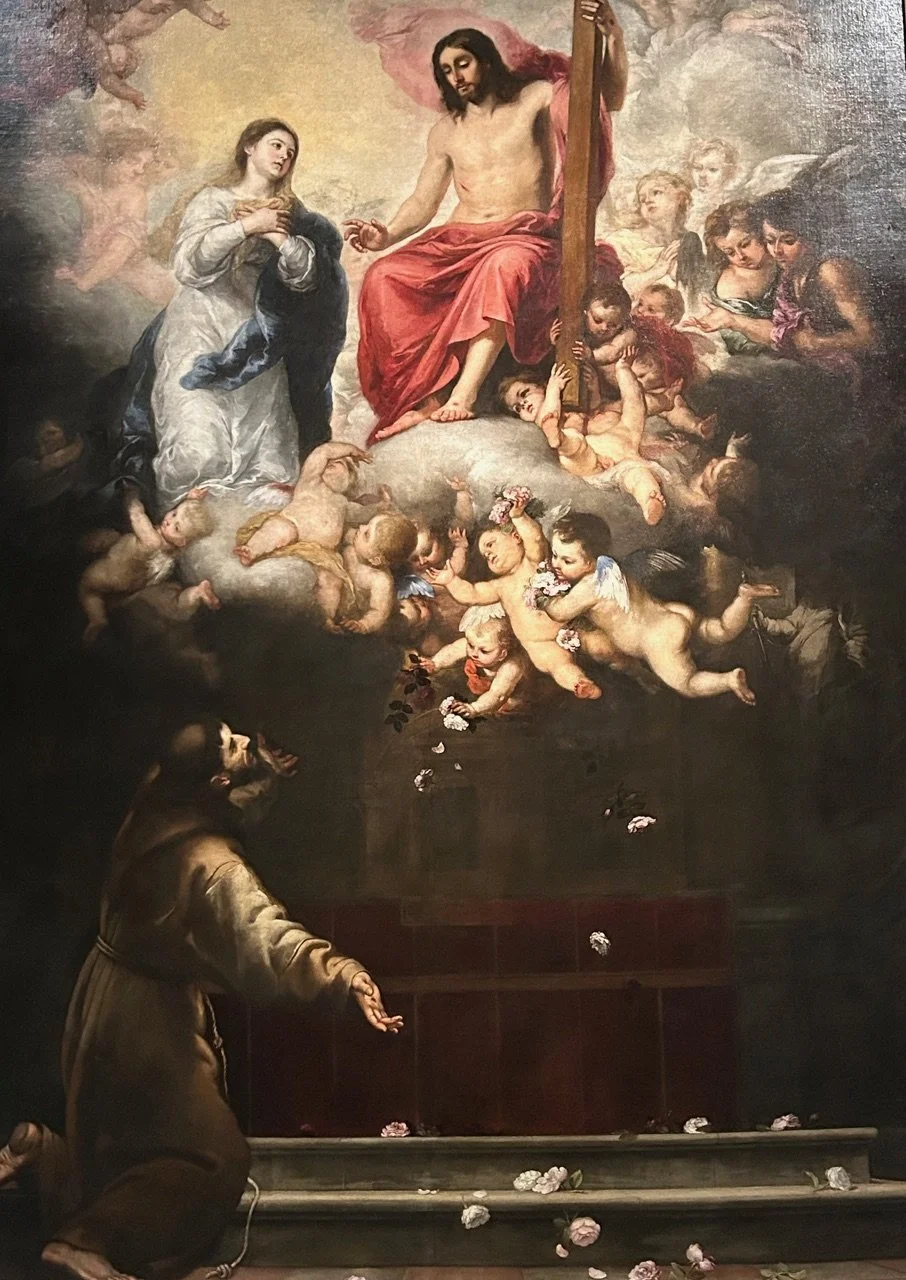
Day 5: Saturday 27 February – We walk through the El Arenal, the port district made famous and very wealthy through Spain’s trade monopoly with the New World. We pause at the Iglesia della Maddalena, a large baroque church with works by Zurbarán and his contemporaries. After a coffee break, we visit the Museo de Bellas Artes, the city’s premier art gallery housed in a former convent. Its collections are representative of Seville’s late renaissance and baroque periods with works by Murillo, Zurbarán and Juan de Valdés Leal. We pause for lunch (not included) where the afternoon will be free to explore other districts of the city such as Triana, on the other side of the Guadalquivir River. Later in the evening, we shall have our final group dinner in a nearby and renowned Michelin-starred restaurant.
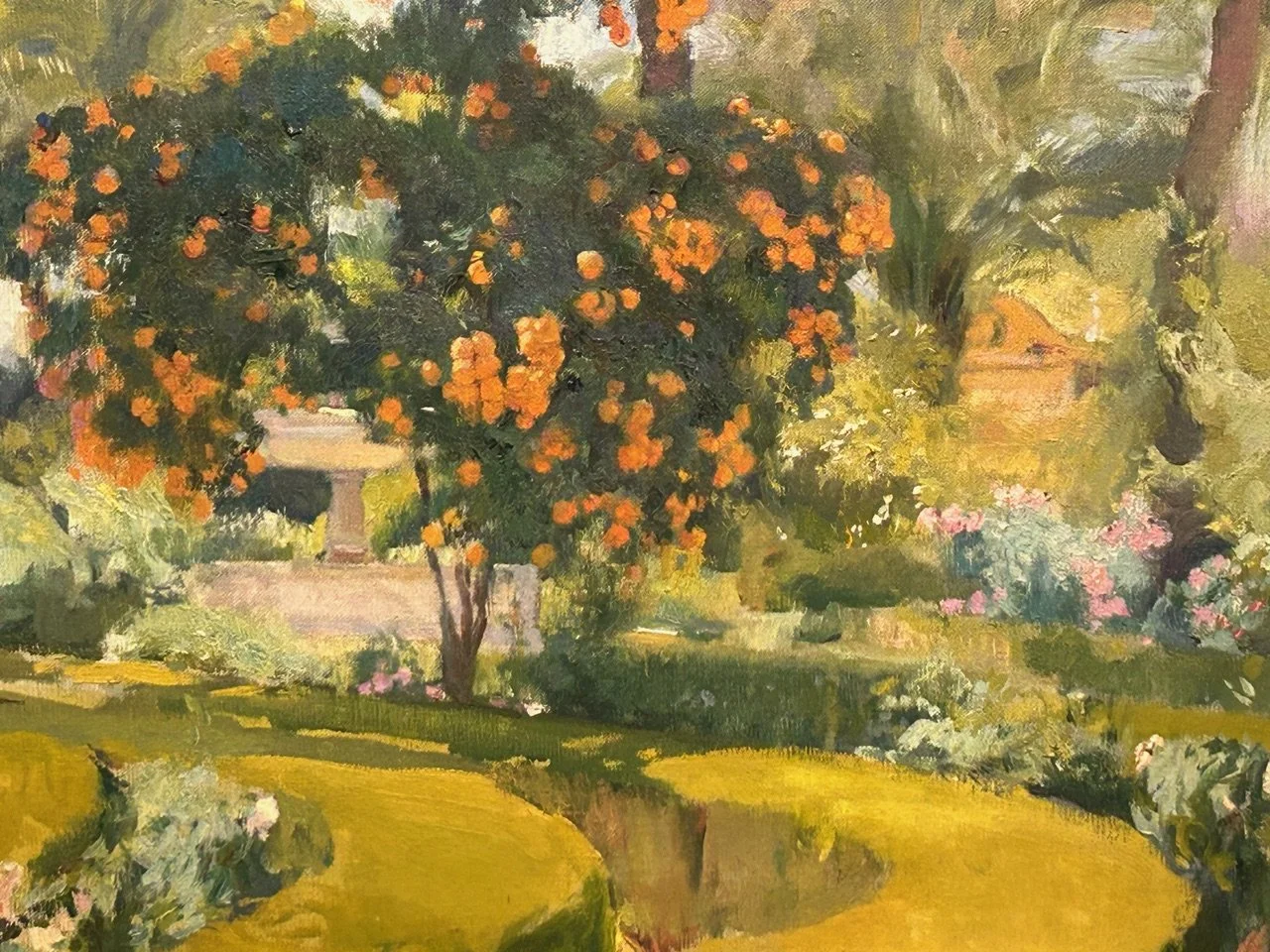
Day 6: Sunday 28 February – Our final morning is spent at perhaps Sevilla’s finest palace, Palacio de Las Dueñas. Home to the House of Alba since 1612, both the gardens and palace are a mix of Islamic and renaissance styles. Internally, the house is loved and lived in; the Alba collection displaying exquisite tapestries and Old Master paintings from Ribera to more modern tastes such as Sorolla. We conclude with a final, festive group lunch at Seville’s oldest taverna founded in 1670. Later in the afternoon we transfer to Seville airport for our early evening flight to Gatwick.
-
Price £2675 per person No flights £2495pp Deposit £400pp Single Supplement £395 (Queen Double Room for Sole Use)
Hotel: 5 nights with breakfast 4* Hospes Las Casas del Rey de Baeza (Superior Double Room)
Flights British Airways
BA2650 Depart London Gatwick (South Terminal) 1500 arrive Seville 1845
BA2651 Depart Seville 1945 arrive London Gatwick (South Terminal) 2125
Price includes 2 dinners & 3 lunches with water, coffee & wine, all entrances, including private visits, all local transfers, entry fees, gratuities & city tax, the services of Fernando Gordillo, James Hill and our local guide in Cordoba
Not included Travel to/from Gatwick, 3 dinners and 2 lunches
Please note our tours generally involve a significant amount of standing and walking, sometimes across uneven ground, or over cobbled streets, or up and down steps and inclines. We do not have an upper age limit for participants, but we require you to have a level of fitness which does not affect other participants' enjoyment of the tour. Please also note that many palaces, gardens, villas, museums and galleries have limited seating and perhaps do not have lifts. You should be able to walk at a reasonable pace and/or stand for at least twenty minutes without aid or requiring a rest. If you are in any doubt, please do contact us for advice on the tour’s suitability for you.