Patricians, Painters & Poets: Genoa & The Riviera of The Rising Sun
Date - Tuesday 20 - Sunday 25 April 2027
Lecturers - Hugh Maguire & James Hill
Location - Genoa, Italy
Price - £ 3090 per person (2 sharing a room)
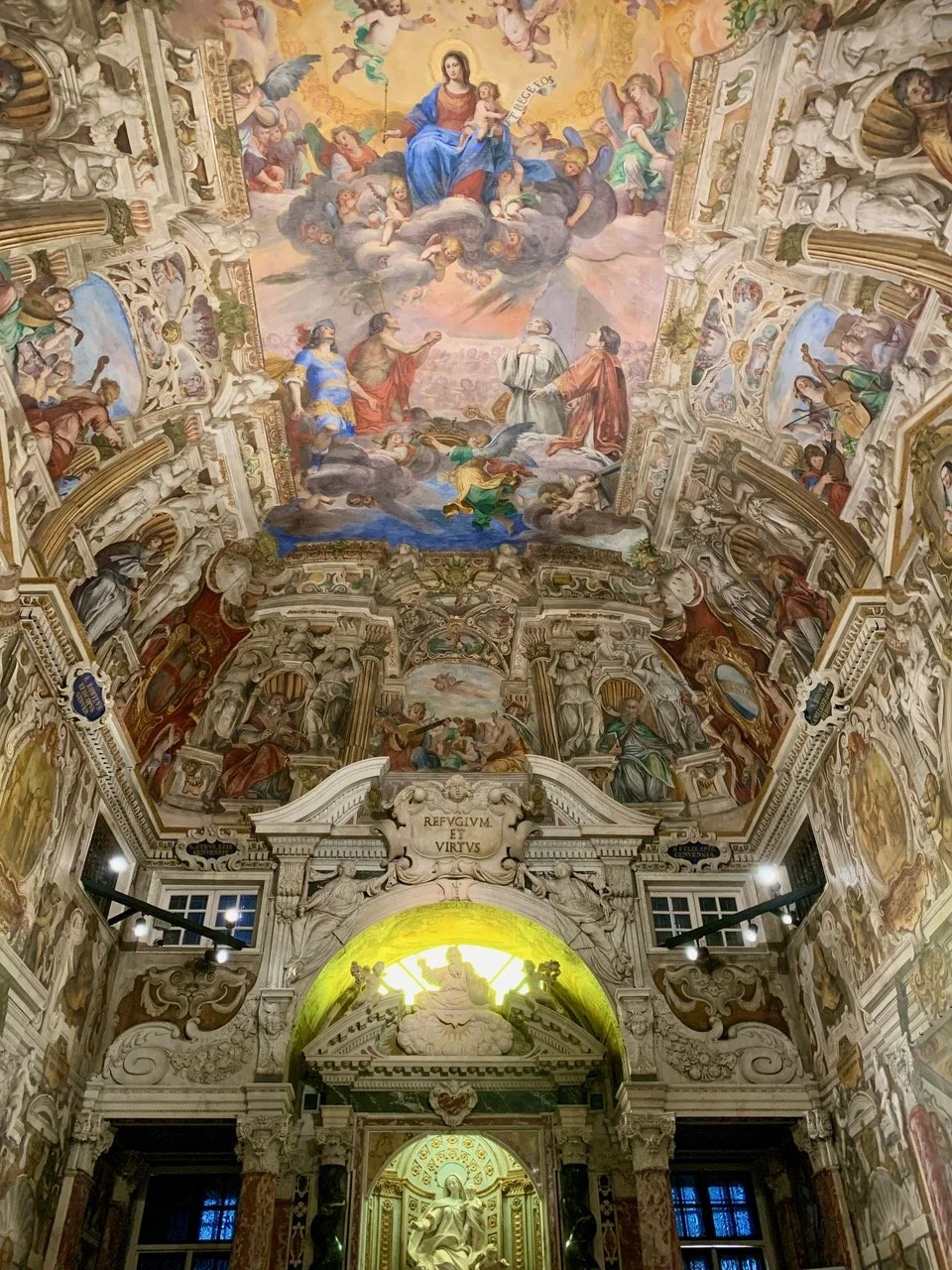
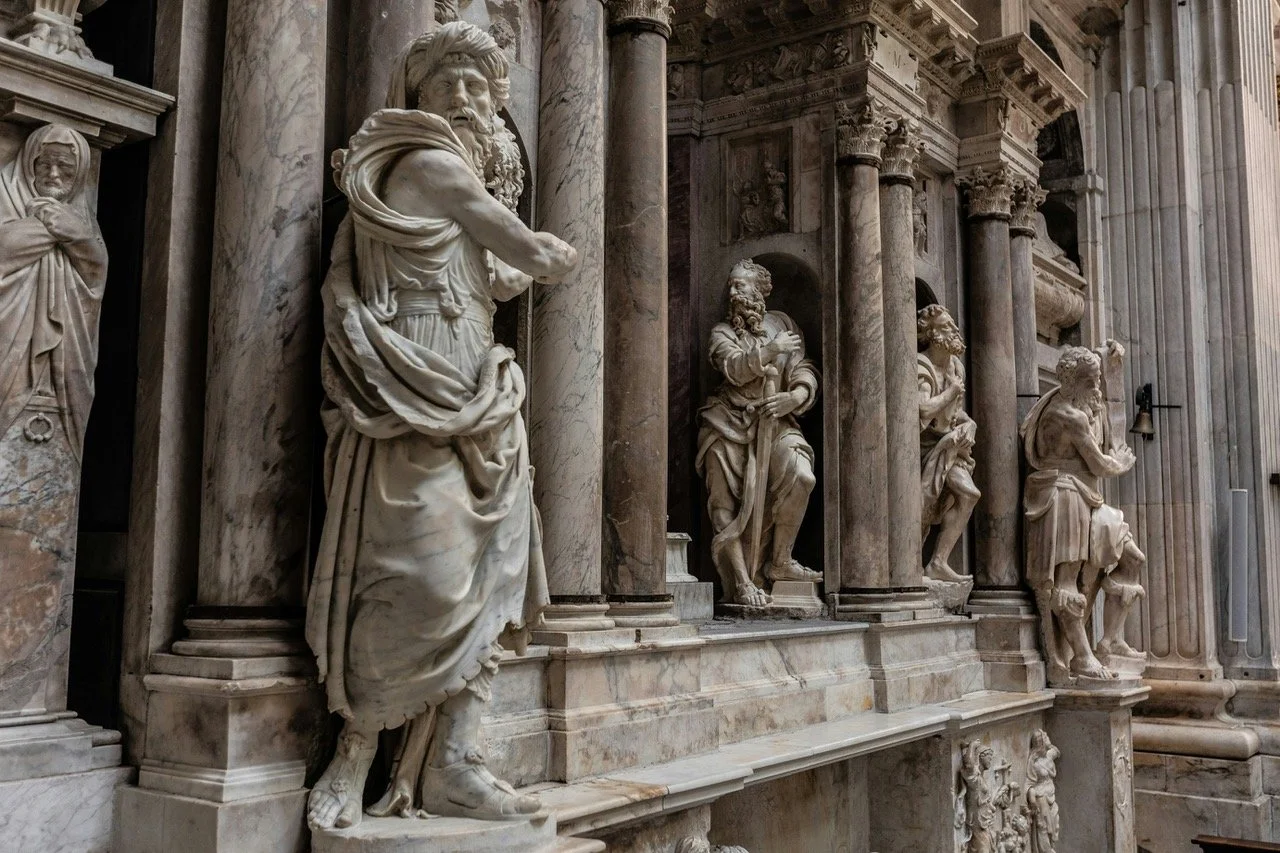
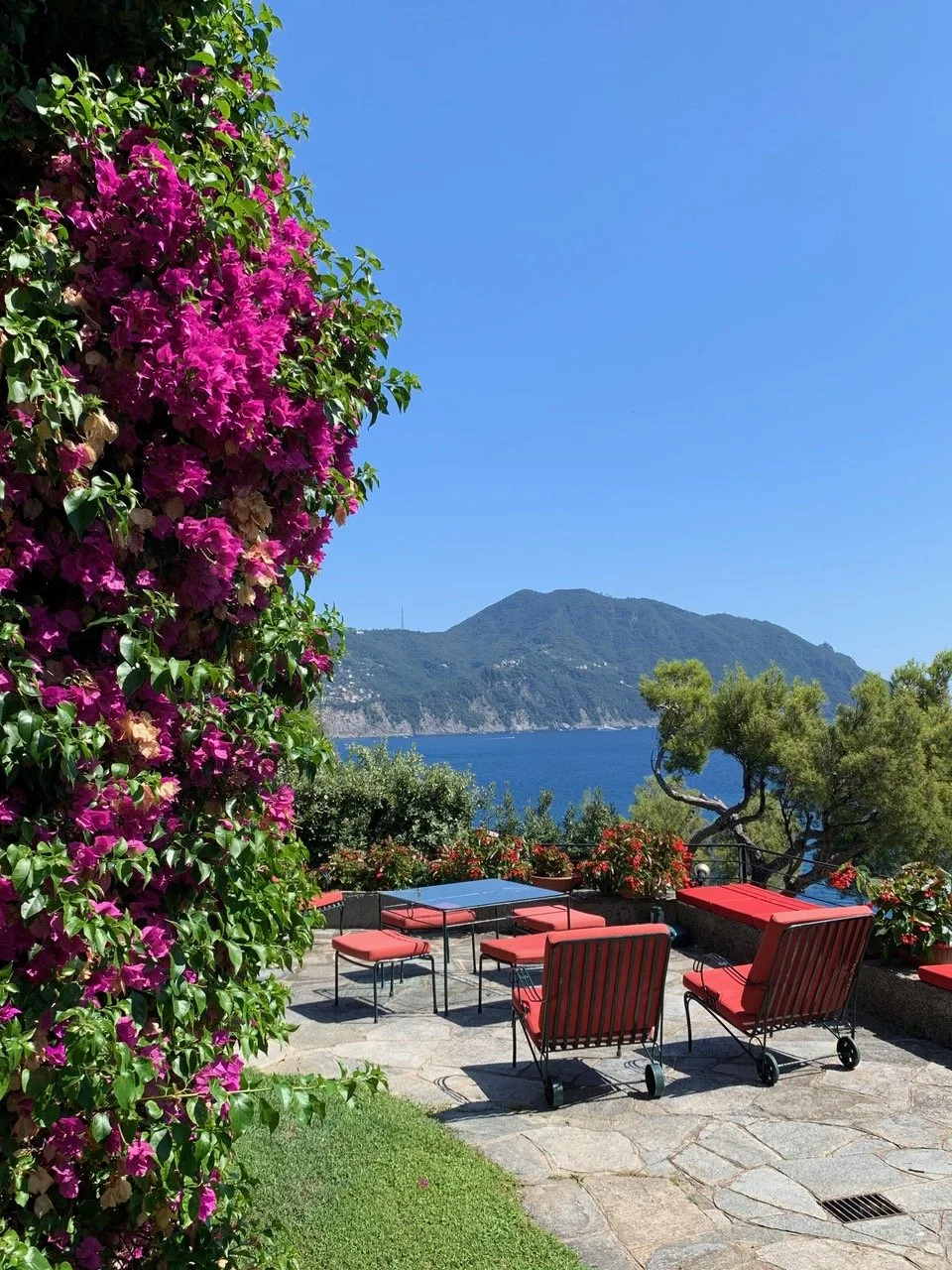
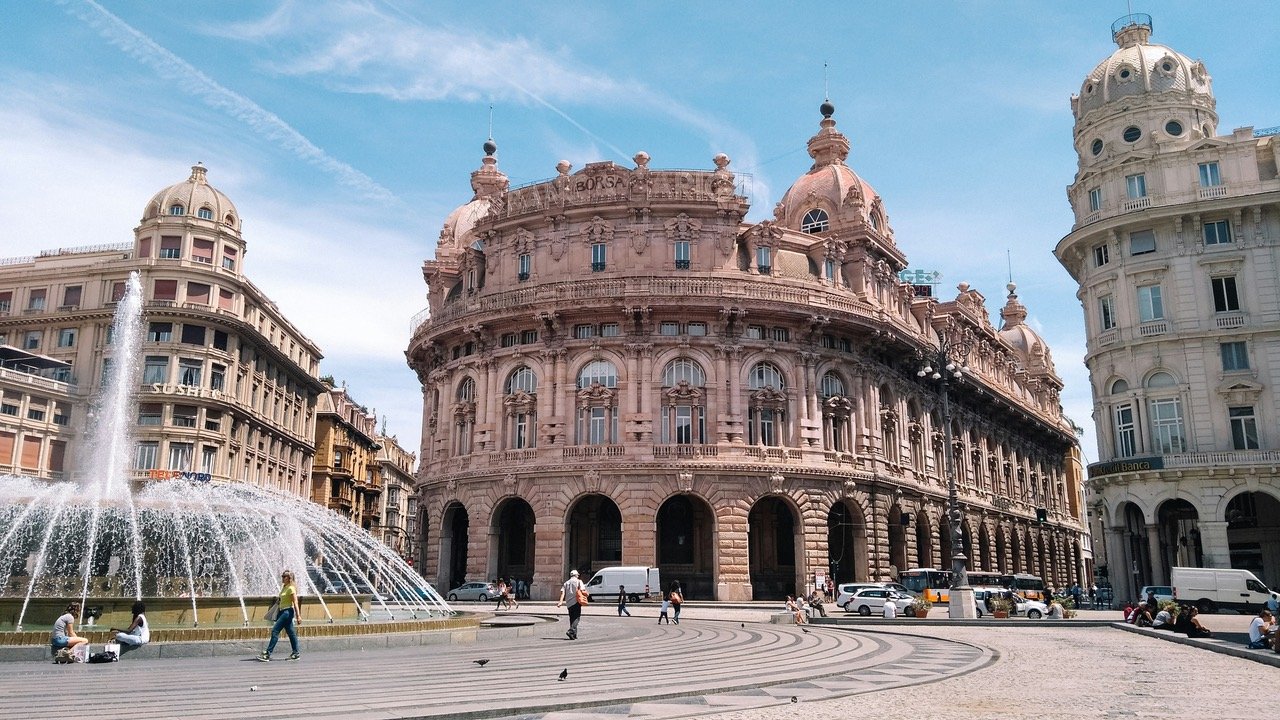
Genoa’s rise to maritime and merchant superpower amidst its struggles with Venice and its trade links with Byzantium and the Levant is reflected in the buildings, secular and non, of today’s bustling port city. The art collections of its great dynasties are still housed in the city’s richly adorned palaces reflecting opportunities seized to trade near and far and for Genoa to flourish as a sophisticated and confident maritime republic. Beyond the city, a lesser-known riviera awaits to the east; villas and gardens of great charm and sophistication reflect a quieter time where English poets, travellers and plantsmen sought the Arcadian calm of the ‘Italian Riviera’.
-
Explore Genoa, the great maritime medieval, renaissance & baroque port city
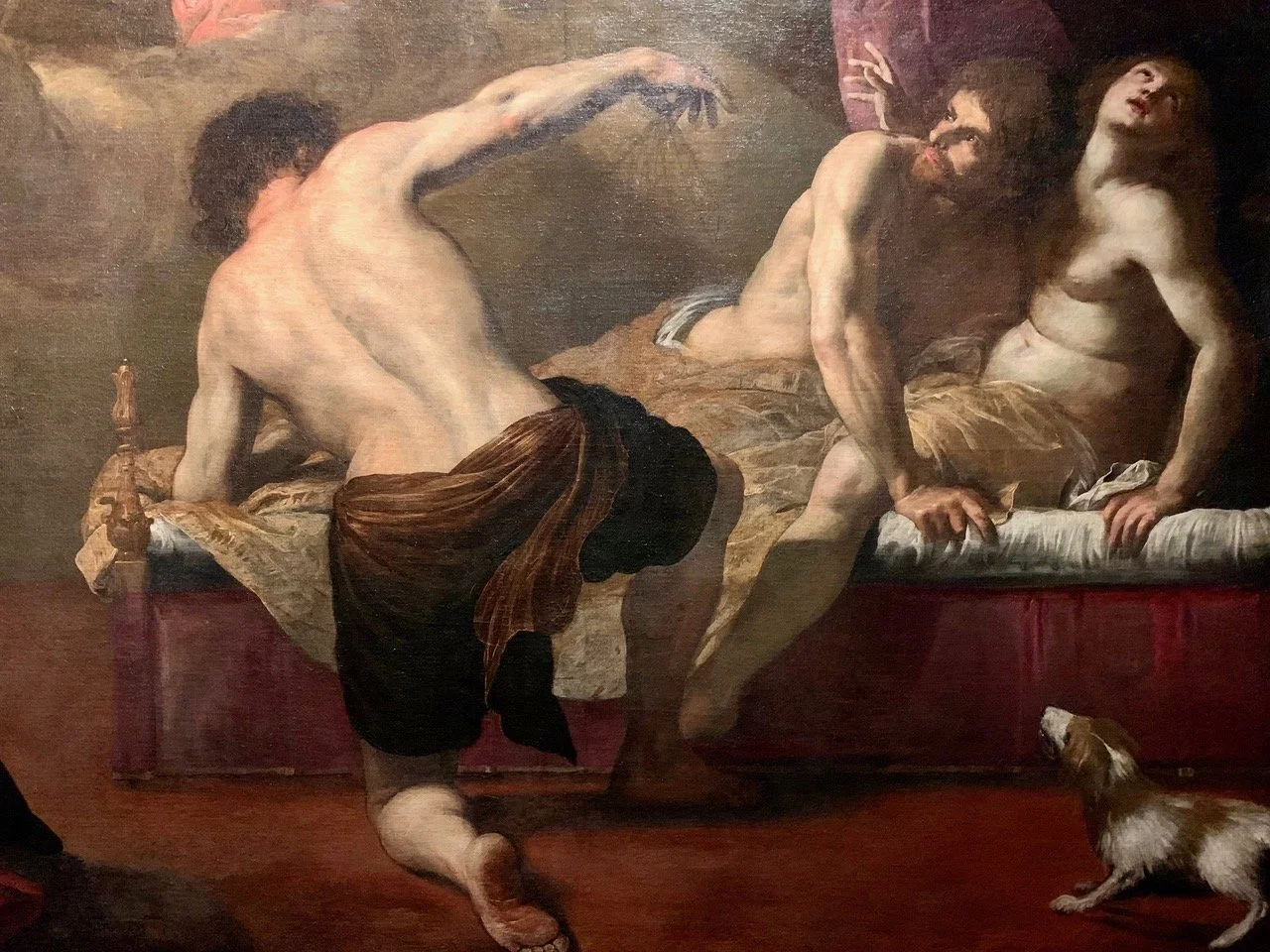
Discover the palaces of the city through the art of Van Dyck & Rubens
Private visits to villas & gardens on the eastern Riviera
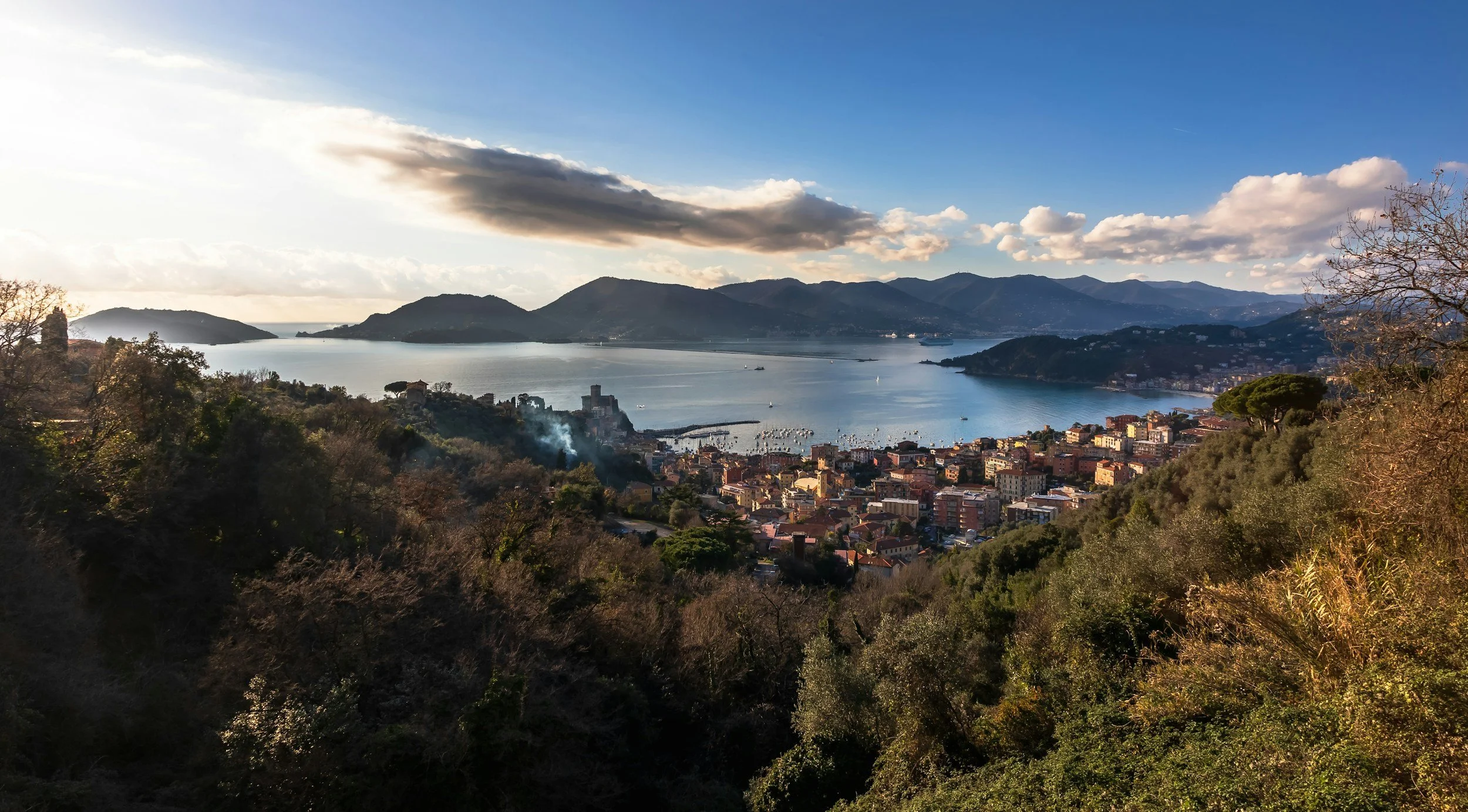
A day spent in the delightful Riviera village of Lerici
Private vineyard visit with lunch
Excellent Ligurian cuisine throughout
Comfortable 5* hotel in the heart of Genoa
After the fall of Rome in the west and the division of the Italian peninsula into competing dynastic, papal and imperial systems of rule, there emerged individual city-states, many of which made use of their geographical position to grow wealthy. Some developed a military role, others preferred trade. Indeed, the wealth of medieval Italy depended on trade, much of it sea-based, and controlled by the four maritime republics: Venice, Amalfi, Pisa and Genoa. Genoa was early in the rush to control trading routes between east and west and its great rival in this struggle was Venice, a struggle it would eventually lose. The two cities had strong links with both Byzantine Constantinople and the Islamic Levant and like Venice, these varied eastern links are reflected in Genoa’s superb architecture.
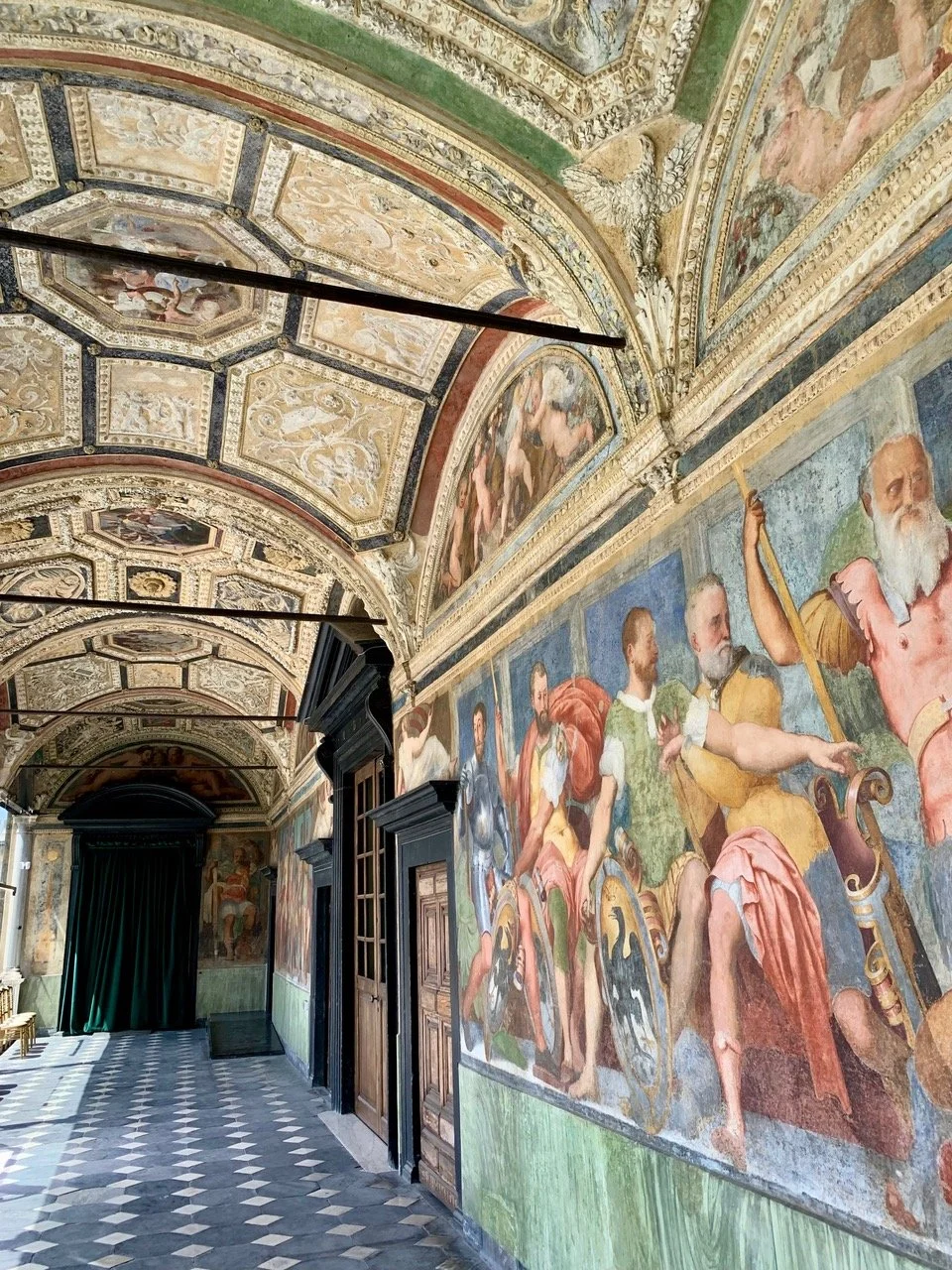
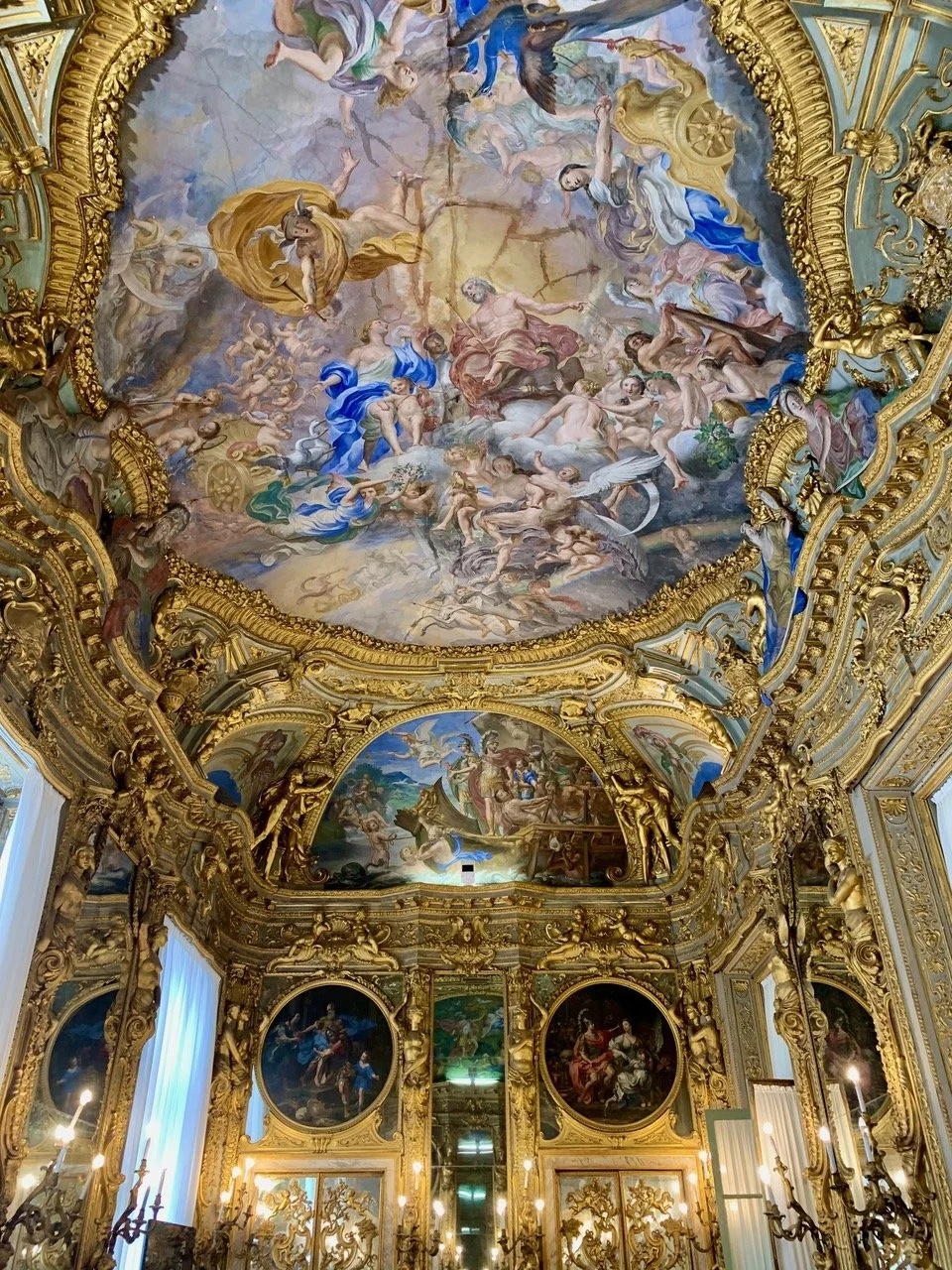
Over subsequent centuries, the riches accumulated by the great merchant dynasties who controlled the city’s fortunes – the Doria, Pallavicini, Spinola, Grimaldi, Durazzo, Lomellino and the like – were invested in great palaces decorated with magnificent frescoes and full of works of art. In this respect, Genoa has a range of princely residences far grander than either of its more famous neighbours, Turin and Milan, and indeed they are the equal of those in Venice. These date from the Medieval and Renaissance periods and on into the seventeenth and eighteenth centuries as Genoa played its part in the changing European scene, especially in its relations with France and Savoy.
Changing Mediterranean trading patterns were initiated by the fall of Constantinople to the Turks in 1453 and the race to the ‘New World’. While Venice developed a land-based agricultural empire, Genoa extended its trading links with northern Europe. It found the perfect partner in Antwerp, the leading port of the Spanish Netherlands. Why Antwerp? Simply put, northern Europe had an insatiable appetite for the luxurious silks and velvets which Genoa then produced, much of it exported directly to Antwerp for onward sale. These trading links explain why both Rubens and Van Dyck used Genoa as their Italian ‘base’ during their extended Italian sojourns. It also accounts for the unexpected numbers of paintings by Flemish masters, particularly Rubens and Van Dyck, to be found in the city and its municipal collections.
Our visit will introduce you to Genoa and the splendours of this once great city-state. Genoa has a remarkable selection of buildings across many periods including magnificent private palaces, richly endowed and decorated churches, all sited in public spaces of elegant dignity, set within a contained historical centre. In addition to all this architecture and art, there are a surprising number of gardens of great magnificence. Some are close to the city such as the Abbazia La Cervara near Portofino; others are further along the Riviera on both sides of the city. Its eastern coastline is known as the Riviera del Levante (Riviera of the Rising Sun). We shall visit delightful Lerici where the Shelleys and Byron resided for some time. Two hillside villas are garlanded by Italian formality and English planting with fine views over the bay below. We shall also be entertained in two private villas, one near Portofino, the other a villa-vineyard on the Piedmont/Ligurian border.
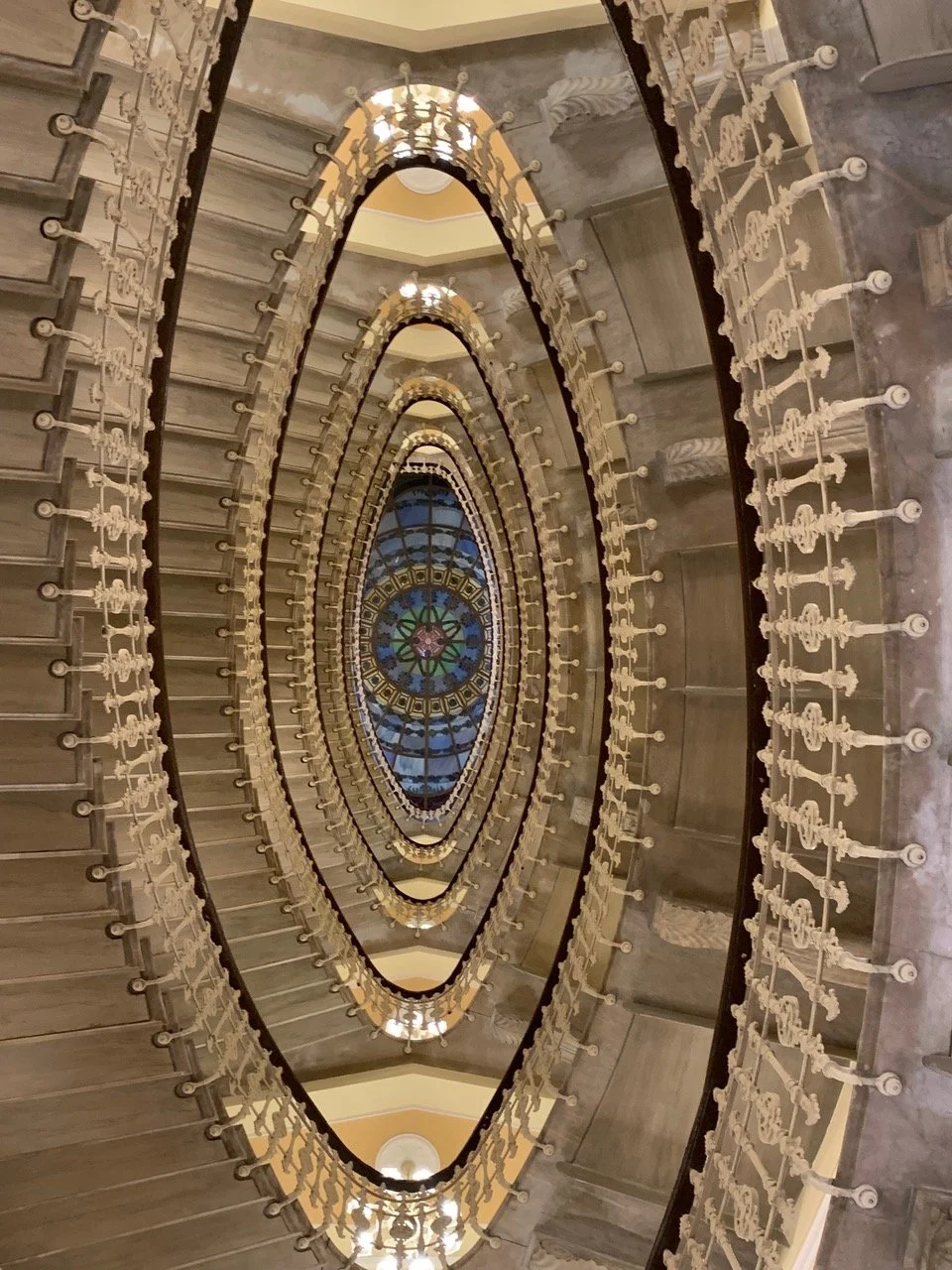
We shall stay at the charming 5* Hotel Bristol Palace. This is an excellently located central hotel with large, comfortable public rooms. All the bedrooms are large, have high ceilings and are surprisingly quiet for a city centre hotel. Most of what we wish to see in the city is easily reached on foot.
-
Day 1: Tuesday 20 April – We fly from London Heathrow to Milan Linate arriving mid-afternoon. Our journey to Genoa will take just under two hours, after which we check-in at our hotel. Later in the evening, we shall have our first group dinner in an excellent restaurant – wine, water and coffee are included in all group dinners and lunches.
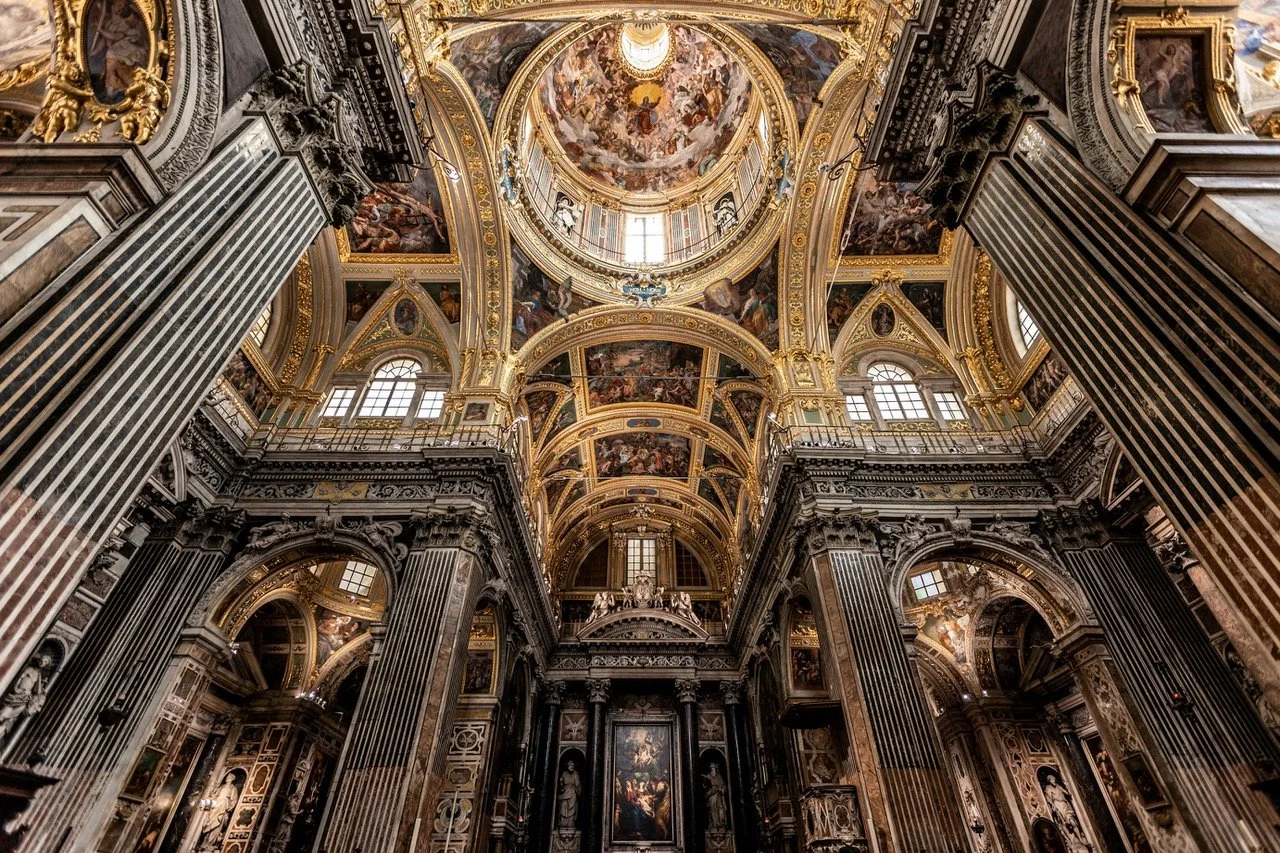
Day 2: Wednesday 21 April – We begin our week with an exploration of Genoa’s historical centre. Genoa’s Duomo is a fascinating mix, combining Medieval origins with later Renaissance internal alterations. It contains a wonderful Rubens altarpiece and an excellent treasury which we shall visit. Rubens also painted in the nearby Church of the Gesù which we shall visit after a coffee break. San Donato is a fine Romanesque church which has a stunning altarpiece by Joos van Cleve, one of the first Flemings to be recorded working in Genoa. San Matteo is set in a lovely piazza and is the parish church of the Doria family who commissioned many changes and embellishments. After a group lunch, we conclude with Palazzo Spinola, which will come as a marvellous revelation given the quality of its collections. It is one of only a handful of princely residences to survive with its collections intact – paintings by, for example, Van Dyck; superb textiles, porcelain and furniture. The evening will be free.
Day 3: Thursday 22 April – This morning we drive eastwards to the Portofino Peninsula to visit the magnificent privately-owned Abbazia La Cervara, a combination of medieval abbey and a series of sophisticated garden areas linking together the historic buildings overlooking the sea. We then continue the short distance to the coastal village of Sori for a private visit and lunch at villa home of a prominent Milanese family. After lunch, we return to Genoa where the remainder of the afternoon and evening will be free for private explorations.
Day 4: Friday 23 April – Our Genoese morning on foot will be spent along Via Garibaldi, THE place to live in Renaissance times, now lined with palace after palace of great beauty. We shall visit Palazzo Bianco, Palazzo Rosso and Palazzo Dorio Tursi - the first two have splendid collections of paintings and the third is now the magnificent Town Hall. After a coffee break, we continue to nearby Palazzo Lomellino for a private visit of the piano nobile and its garden. After lunch (not included), the remainder of the afternoon and evening will be free.
Day 5: Saturday 24 April – Today we drive eastwards along the Riviera to Lerici, close to the Tuscan border where we pause for coffee. Known as the Golfo dei Poeti, Both Byron and the Shelleys lived close to the town, Percy Shelley drowned nearby in 1822. We shall visit two splendid villas overlooking the town with a break for lunch, which today is not included. The seventeenth century Villa Rezzola was enlarged over a hundred years ago by its English owners, the Cochranes. The most recent Italian owners bequeathed the property to Italy’s ‘National Trust’ and after restoration is now open to visitors. Villa Marigola is similarly graced with both formal and romantic gardens. We return to Genoa where later in the evening we shall have our final group dinner in one the city’s historic restaurants.
Day 6: Sunday 25 April – On our final day, we travel the short distance by coach to visit the famed Villa del Principe, the great home of Genoa’s most important family, the Doria, still in their ownership. Its most famous member was the sixteenth century Admiral Andrea Doria. The villa has fine frescoed spaces with tapestries and pictures. Following a pause for coffee, we travel to Milan Linate, pausing at the Tenuta La Marchesa, a privately-owned eighteenth-century villa and vineyard close to Novi Ligure in the heart of Gavi wine country. The Milanese owner will host our private visit and a final festive group lunch in suitably splendid surroundings. We continue in good time to Milan Linate Airport for the early evening flight to London Heathrow Airport.
-
Price £3090 (per person/2 sharing) Without Flights £2895pp Deposit £460pp
Single Supplement £345 (Classic Double for Sole Use)
Hotel 5 nights with breakfast 5* Hotel Bristol Palace Superior Double Room (2 sharing)
Flights British Airways
BA574 Depart London Heathrow Terminal 5 1205 arrive Milan Linate 1505
BA579 Depart Milan Linate 1945 arrive London Heathrow Terminal 5 2040
Price includes 2 dinners & 3 lunches with water, wine & coffee, all local transfers, entry fees & gratuities, services of Hugh Maguire and James Hill
Not included Travel to/from Heathrow, 3 dinners & 2 lunches
Please note our tours generally involve a significant amount of standing and walking, sometimes across uneven ground, or over cobbled streets, or up and down steps and inclines. We do not have an upper age limit for participants, but we require you to have a level of fitness which does not affect other participants' enjoyment of the tour. Please also note that many palaces, gardens, villas, museums and galleries have limited seating and perhaps do not have lifts. You should be able to walk at a reasonable pace and/or stand for at least twenty minutes without aid or requiring a rest. If you are in any doubt, please do contact us for advice on the tour’s suitability for you.