Patricians, Popes & Emperors: Bologna & Ravenna
Date - Tuesday 1 - Sunday 6 December 2026
Lecturers - James Hill
Location - Bologna, Italy
Price - £ 2695 per person (2 sharing a room)
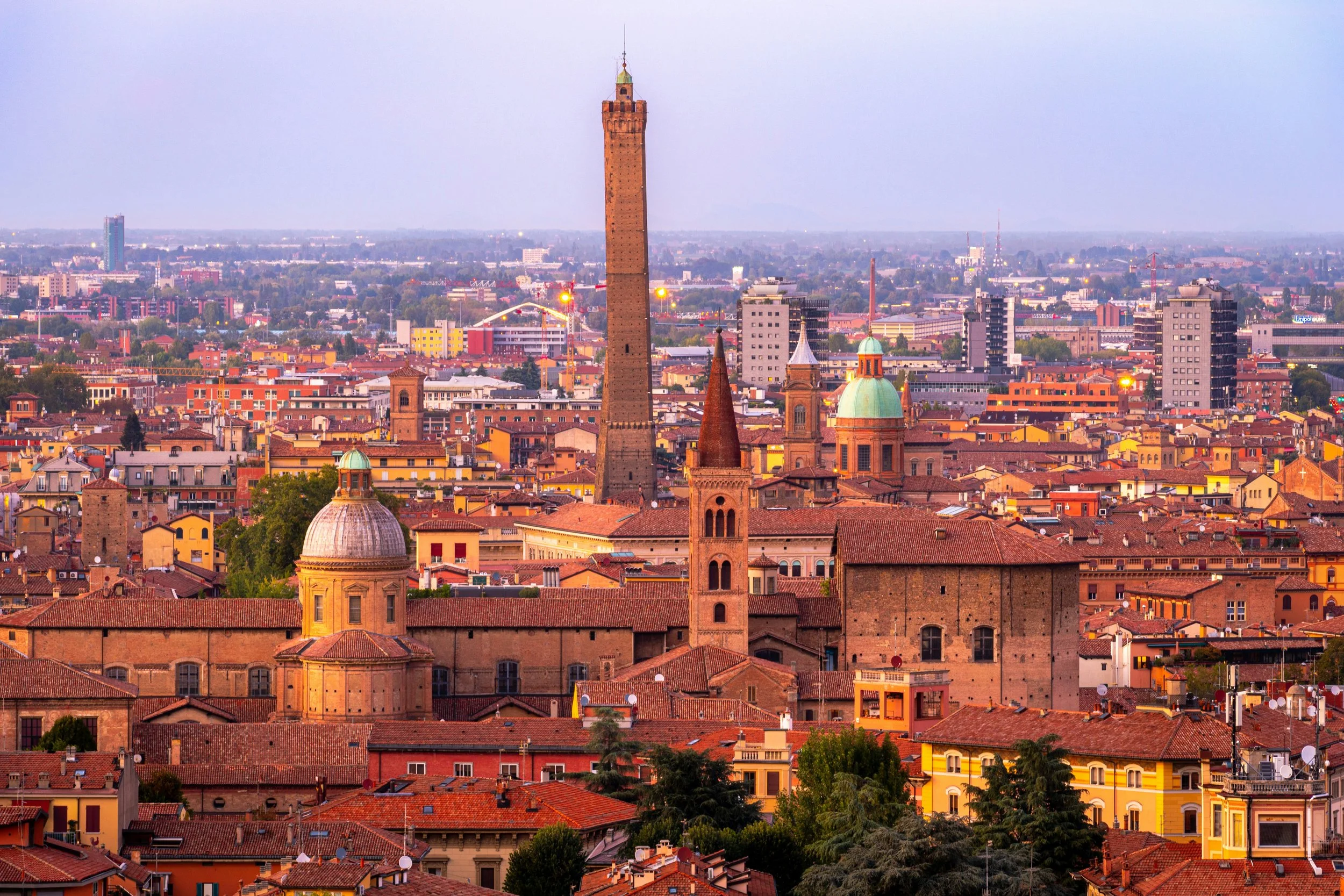
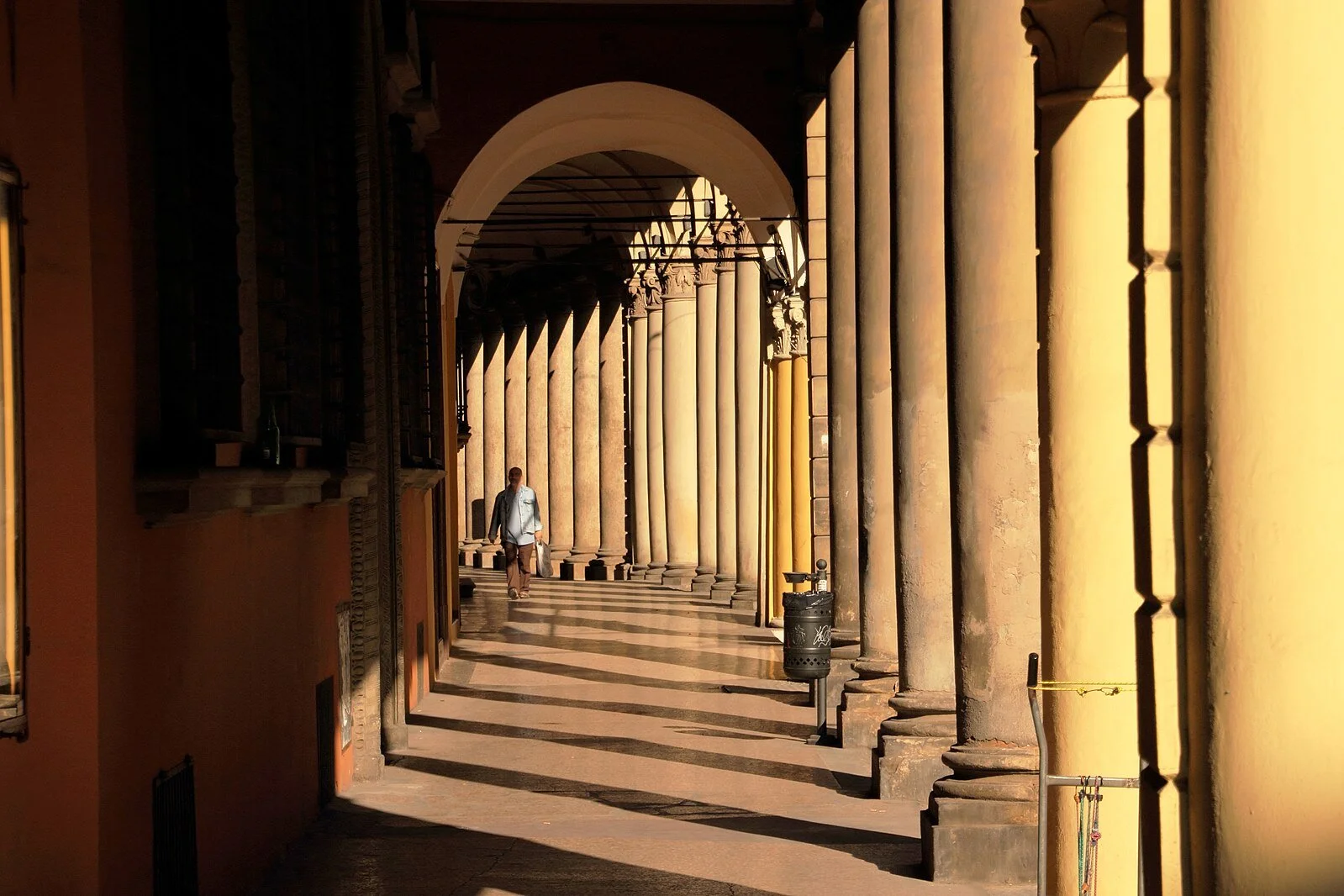
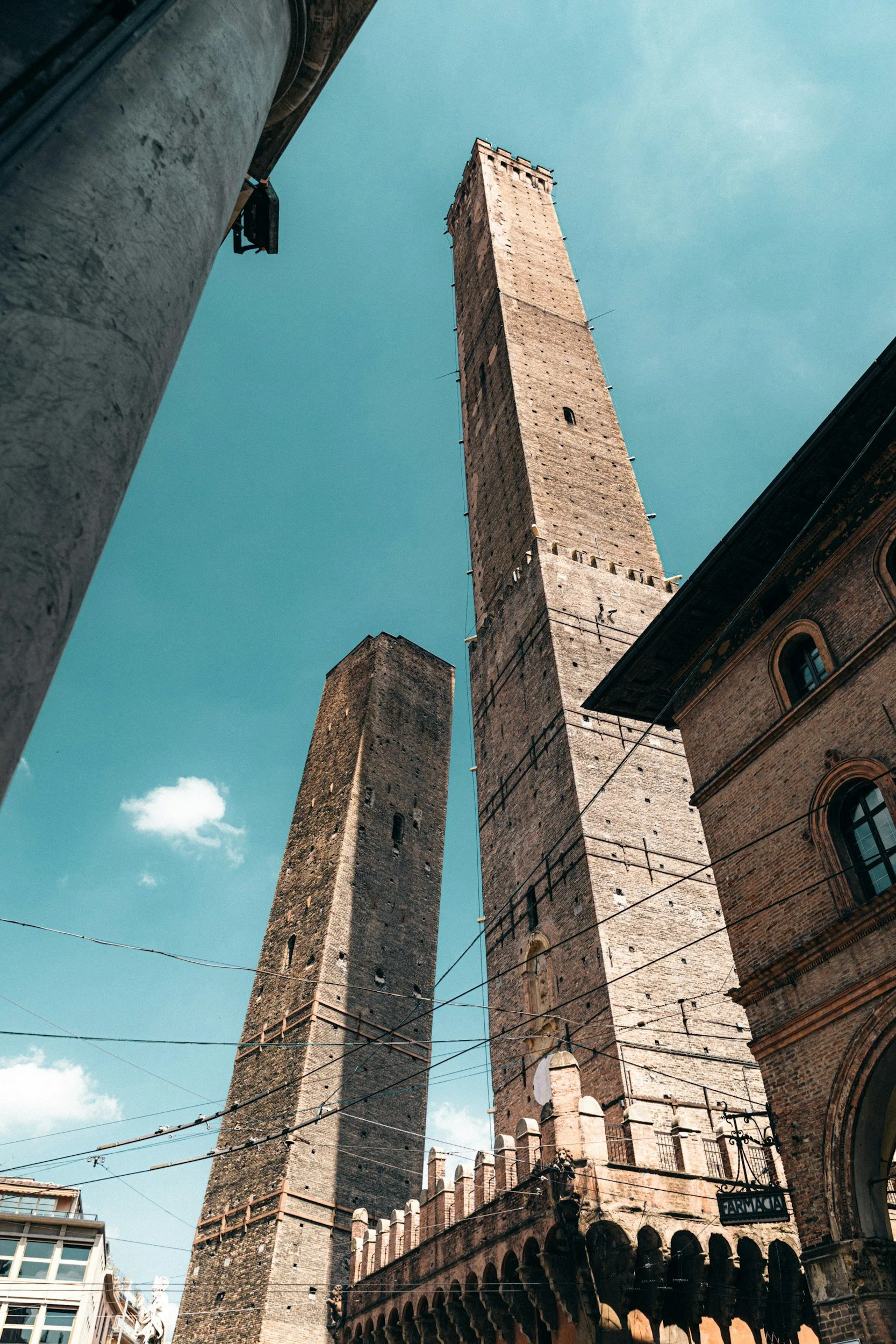
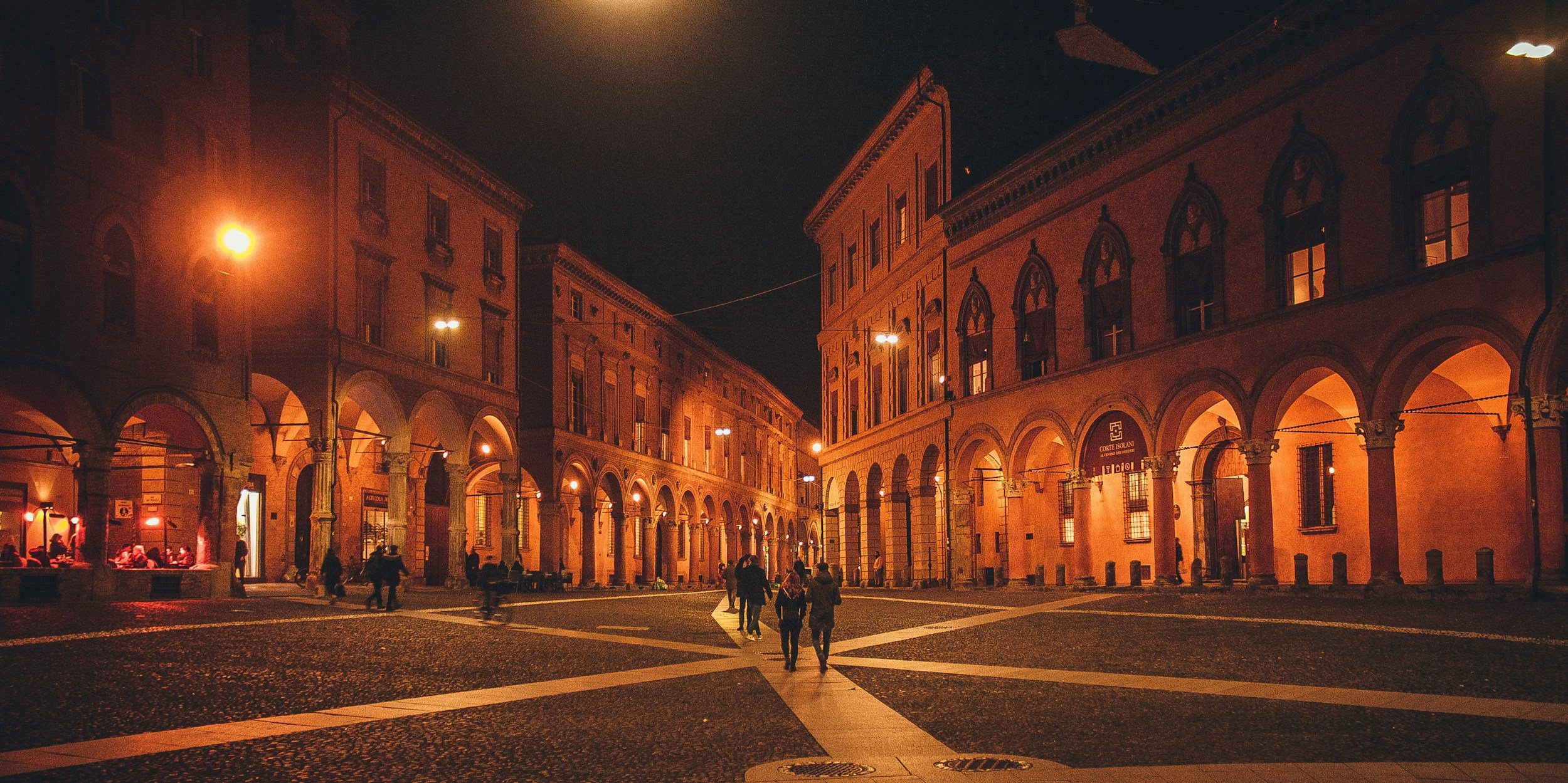
A universal city with the oldest continuous university in the world, Bologna has historically been a socially-cohesive, academically independent and highly liveable city straddling the Apennines and the Po plains to the north of Italy. From the sixteenth century, the walled, wealthy and urbane medieval city became Papal Rome’s 'second city’ within the central Italian ‘Lands of St Peter’ and later produced a group of painters who changed the history of painting at the dawn of the Baroque era. Ravenna, during the quieter winter months, never fails to astonish even after many past visits. All told, our December week seeks out a city through its porticos and piazzas, its art and academic life, not forgetting Bologna’s renowned cuisine which shall not be overlooked.
-
Discover the art & academic city of Bologna
Wonderful medieval & renaissance palaces & churches
Captivating Baroque art by the Carracci family of artists, Guercino & Guido Reni
A day in Ravenna to marvel at its astonishing Early Christian mosaics
Excellent food & wine in one of Italy’s fabulous food cities
Comfortable city centre hotel in the heart of Bologna ideally situated for festive & retail meandering
After Rome, Bologna was the church’s largest state, its ‘second city’, yet the model of rule was shared power between a powerful patrician oligarch and a papal legate. Furthermore, its cultural and intellectual centre was the city’s university, the world’s oldest. Bologna also differed from other Italian city states in that its humanism was academic rather than courtly. The city’s origins however were Etruscan, later Roman by conquest and in medieval times wholly absorbed by the struggles between Longobards, Franks and the endless conflict between the Holy Roman Empire and the Papacy. As an independent commune, the city became wealthy as prominent families fought for control whilst the Duchy of Milan and the Papacy made frequent claims to this prize at the crossroads of the Apennines and the Po Plain.
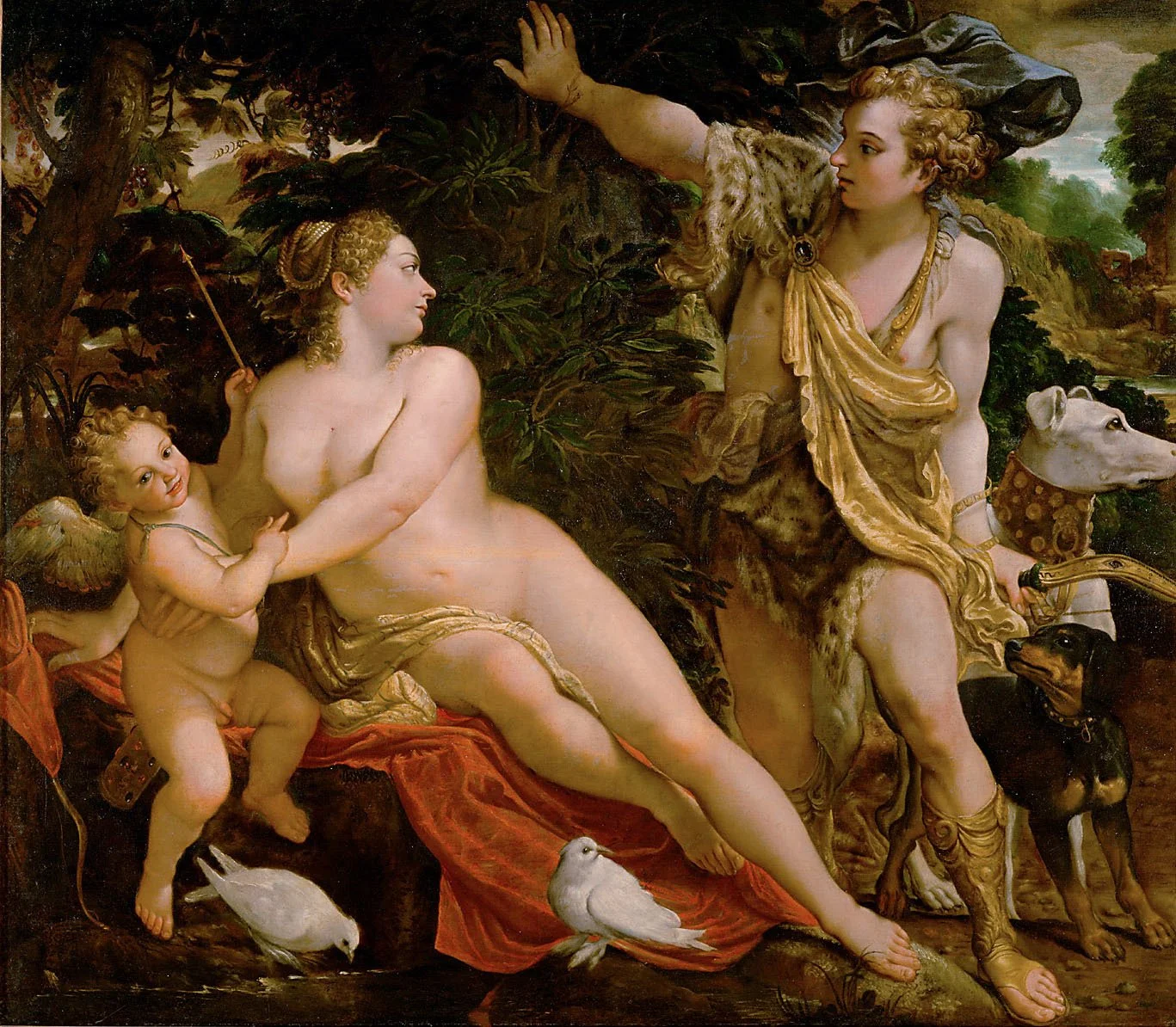
The Bentivoglio dynasty was the last of Bologna’s seignories who came up against the implacable force of Pope Julius II. Thus from 1506, Bologna became a part of the Papal States. At times an important centre for Renaissance painting, it was towards the end of the century that Bologna produced a group of artists who were to change the history of painting. The Carracci family, their associates and students were the talented exponents of a direct style of narrative painting which differed from the excesses of the preceding Mannerist styles of the sixteenth century, beckoning in the Bolognese School. Our visit to Bologna will introduce you not only to the city’s fine medieval and early modern architecture but also to its distinguished role in the history of painting at the birth of the Baroque.
Ravenna is close to Bologna and quiet in the winter months so whether it is your first time to Ravenna or a return to this magical place, we shall spend a day admiring the astonishing mosaic schemes in its churches and baptistries. We end our festive visit in the charming and unvisited town of Cento, remembered as the birthplace of Guercino. Bologna’s historic city centre is a delight to stroll in, especially just before Christmas and, naturally, we shall also explore Bologna’s notable cuisine. We shall stay at the comfortable 4* Hotel Corona D’Oro, located in Bologna’s historic centre and within easy walking distance of all that we wish to see, including its iconic arcades and shops.
-
Day 1: Tuesday 1 December – We fly from London Heathrow to Bologna, arriving in late afternoon. We then transfer by coach to the centre of the city to check into our hotel, 4* Corona d’Oro. Later that evening we shall dine in a local restaurant. Wine, water and coffee are included with all group lunches and dinners.
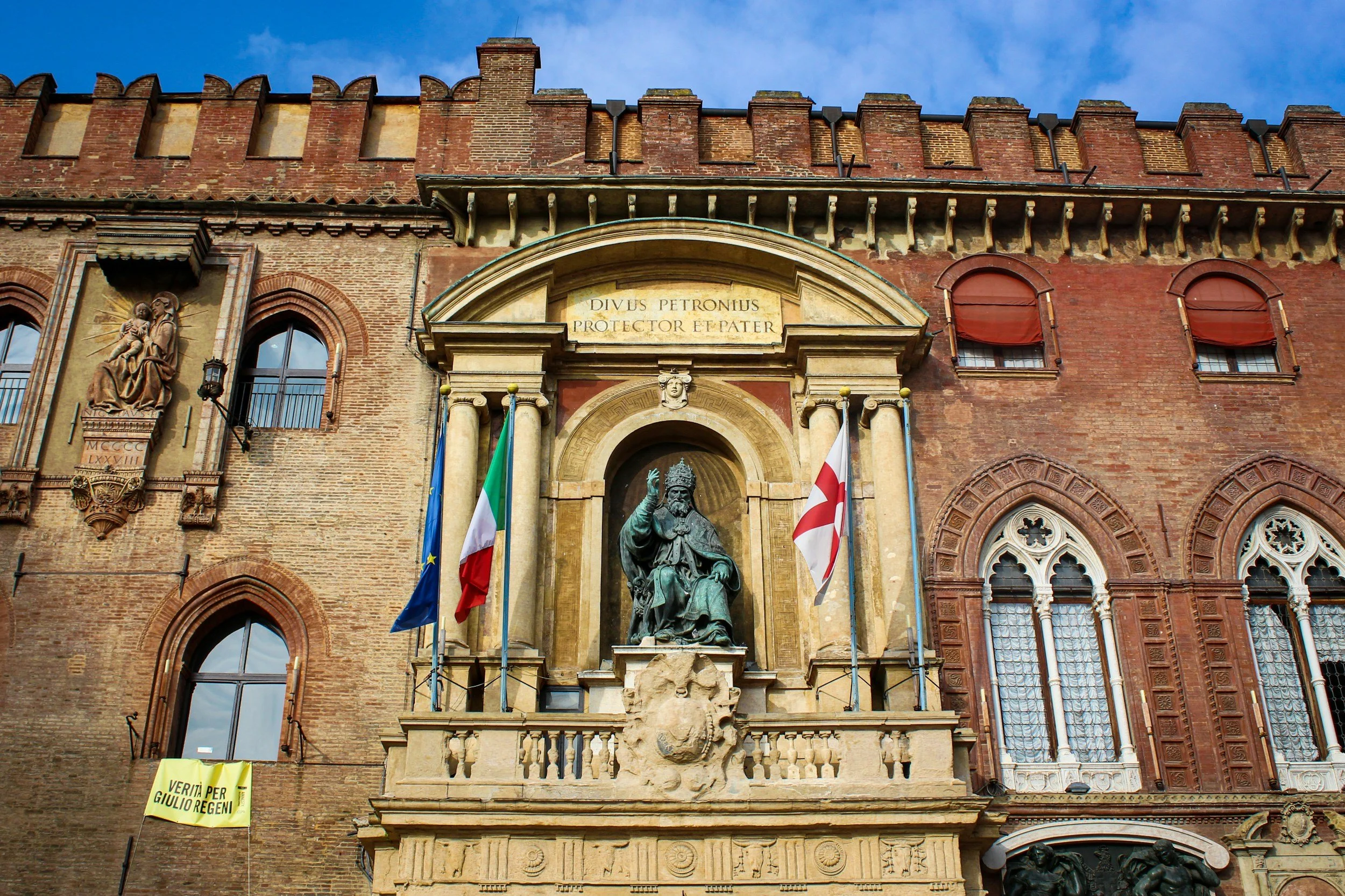
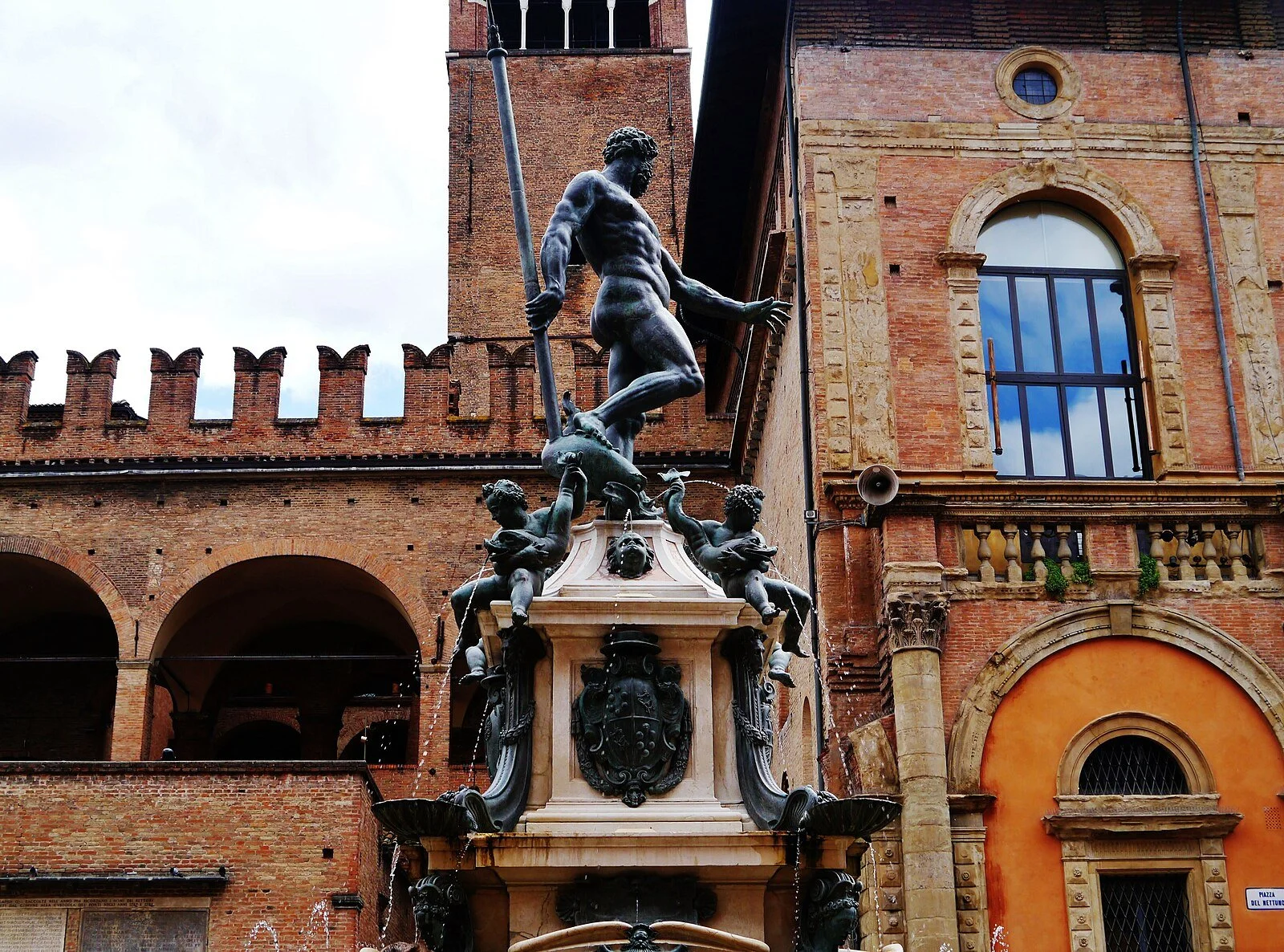
Day 2: Wednesday 2 December – Today is spent on foot and so we begin in Bologna’s most important public space, Piazza Maggiore and its neighbouring Piazza Nettuno. Both spaces are surrounded by fine buildings including the Gothic Basilica of San Petronio. Its façade is decorated with early Renaissance sculptures by Jacopo della Quercia, which profoundly influenced the young Michelangelo. Within, the highlight is the Bolognini Chapel, with Giovanni da Modena’s fresco depicting hell. The dazzling work of sculptor Nicolo dell’Arca is on display in the nearby church of Santa Maria della Vita. We end our morning at Palazzo Pepoli, displaying diverse media and, overall, an excellent introduction to the history of the city. After a group lunch, our final visit is to the atmospheric church complex of Santo Stefano, conceived as a ‘virtual pilgrimage’ to the Holy Sepulchre in Jerusalem. This evening will be free.
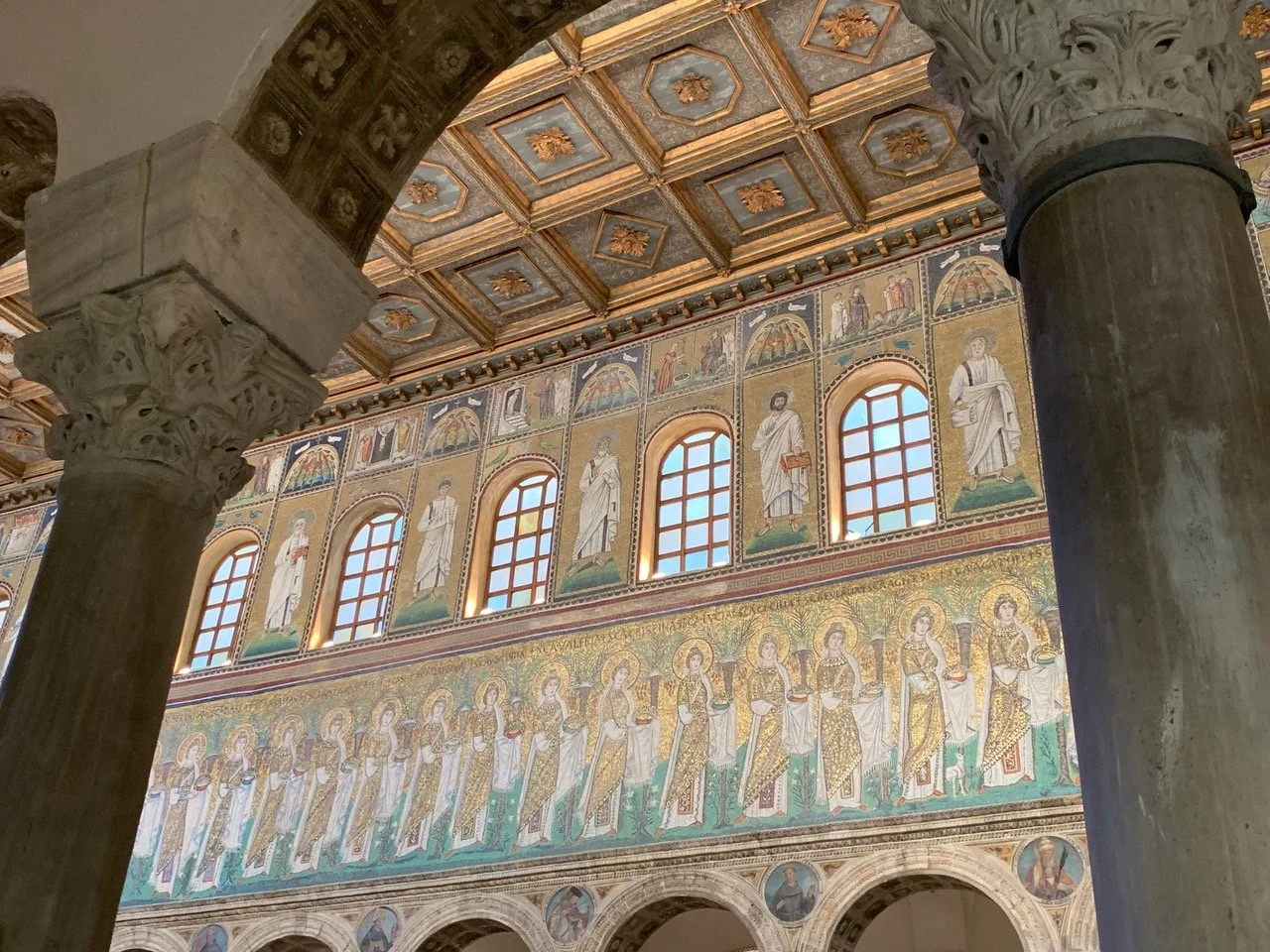
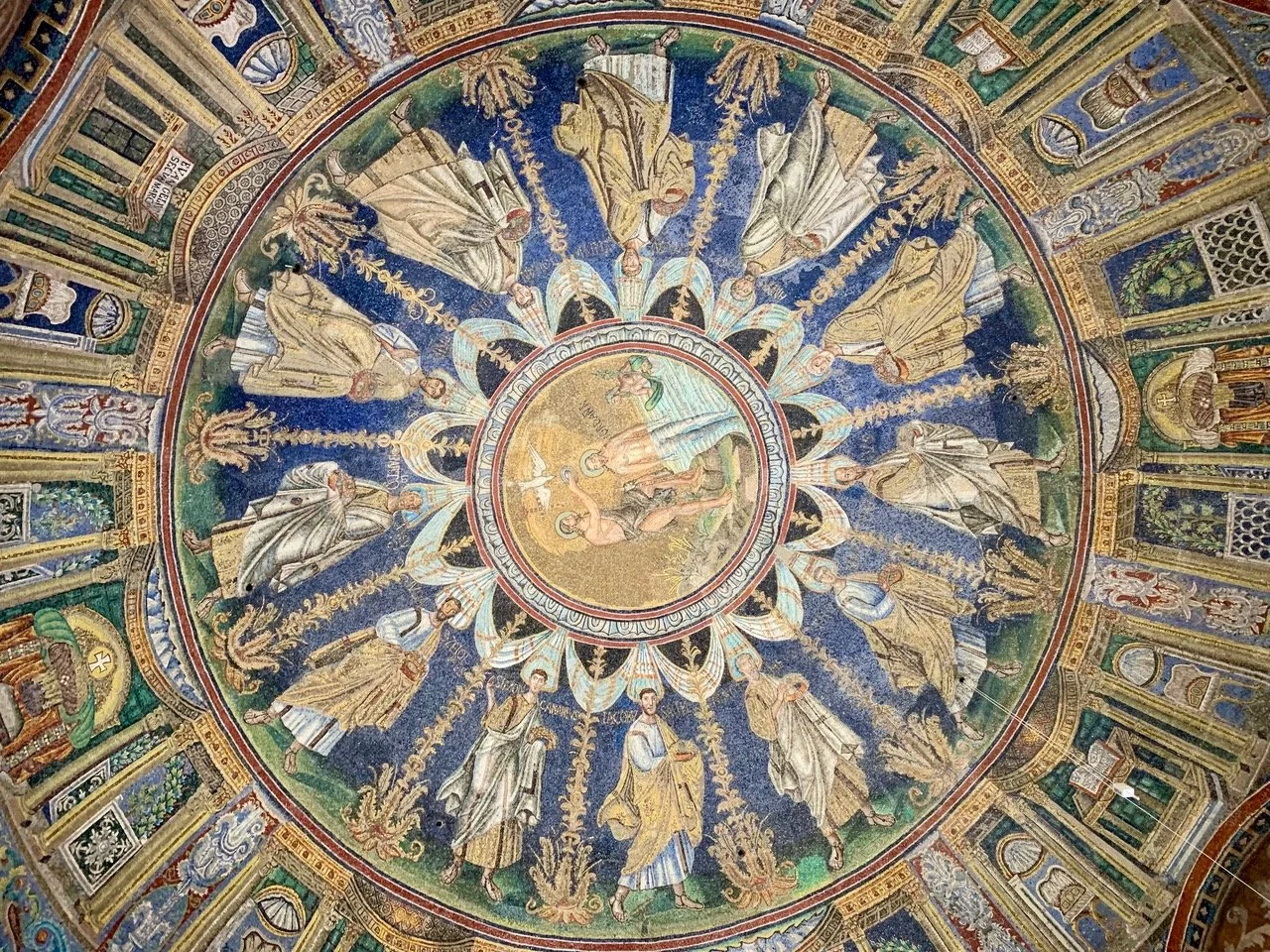
Day 3: Thursday 3 December – We travel to the nearby small city of Ravenna. Here, we shall explore the town’s churches and baptistries lavishly decorated with the finest wall and ceiling mosaics: all a dazzling testament to early Christian medieval art. Following a coffee break on arrival, we begin at Sant’ Apollinare Nuovo which contains two great mosaic processions marching up the nave arcade towards the High Altar. It was built early in the sixth century when Ravenna was ruled by the Ostrogoth Theodoric. We continue to two important baptistries: the orthodox Neonian and the Ostrogothic Arian and conclude our morning at the Archbishop’s Palace with its very fine fifth-century mosaic chapel and a display of fascinating objects including Bishop Maximian’s ivory throne. After a group lunch, we visit the chapel known colloquially as Galla’s Mausoleum, which has some of the earliest surviving mosaics in Ravenna. A few yards away is the most splendid church of the city, San Vitale. Consecrated in 547, it has spectacular mosaics! These include the famous images of the Emperor Justinian and his wife Theodora, put up after the city had been conquered by the Byzantines in 540. We return to Bologna after which the evening will be free.
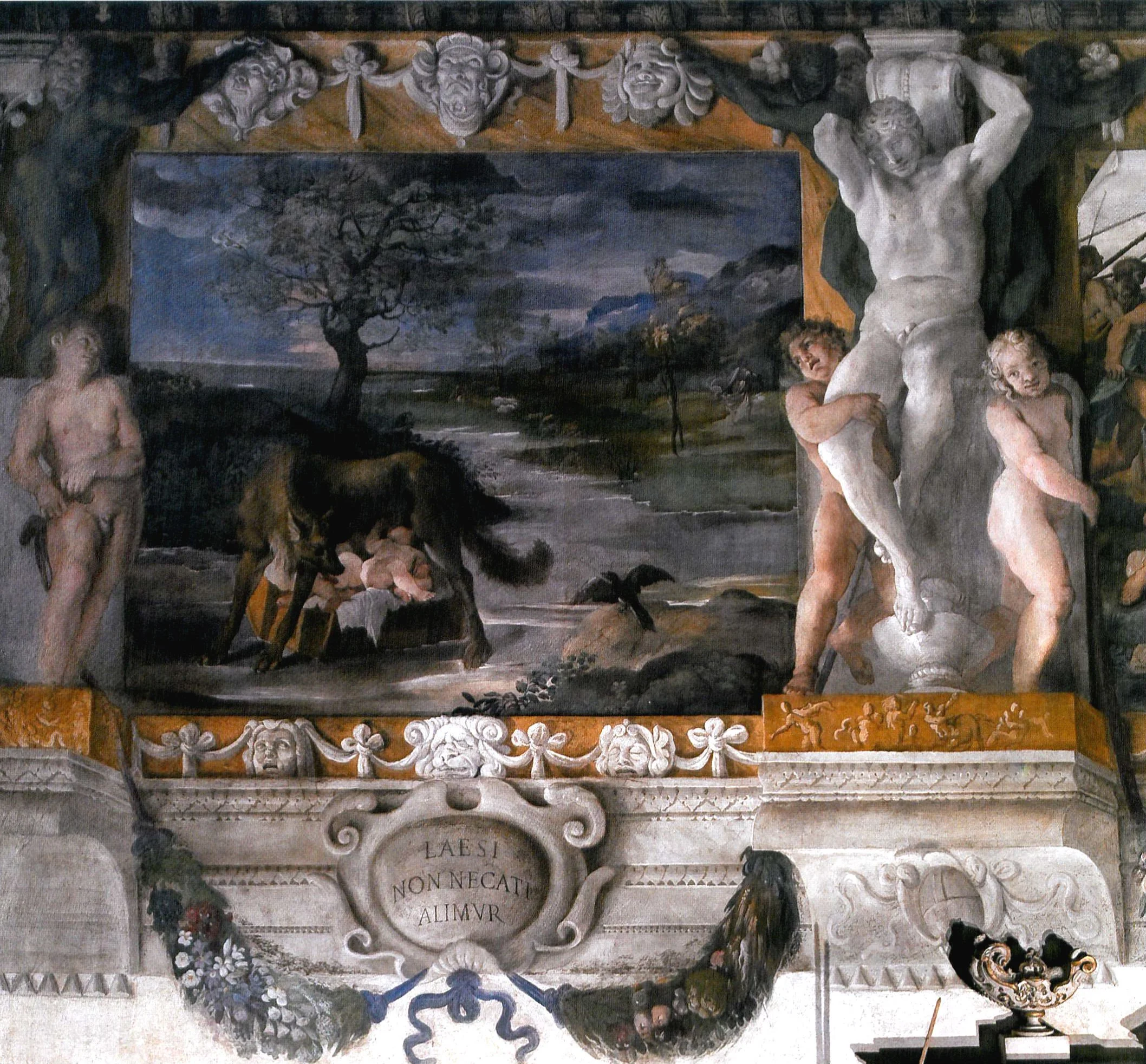
Day 4: Friday 4 December – We spend this morning visiting three sites all closely located to each other. Palazzo Magnani is a fine Mannerist palazzo by Tibaldi displaying a fresco cycle by the Carracci painters depicting the History of Rome. Today, the palazzo is a banking headquarters further enriched by a small art collection. We continue to the Basilica of San Giacomo Maggiore to visit the Bentivoglio Chapel and admire its adjoining Oratory of Santa Cecilia, commissioned by Giovanni II Bentivoglio. After a coffee break, we end our morning at the University of Bologna’s Palazzo Poggi to view some of the university collections of art and objects in its Institute of Sciences - a veritable wunderkammer of scholarly curiosities! Lunch (not included) and the remainder of the day will be free.
Day 5: Saturday 5 December – Our first visit of the day is to the city’s main art gallery, the Pinacoteca Nazionale. It houses an array of works from Bologna’s churches and convents, including an altarpiece by Giotto and other Renaissance masterpieces. It is also the best possible place to explore the art of Bologna’s greatest and most influential artists, the Carracci family and their successor Guido Reni. After a coffee break - and in keeping with this theme - we walk to Palazzo Fava where the Carracci painted a delightful set of reception rooms in the 1580s. After lunch (not included), our final visit is to Palazzo d’Accursio, the centre of the city’s government since 1287. The earlier parts of the palace incorporate several magnificent reception rooms which in their decoration bear witness to the city’s transition from free commune to its reduced status under later Papal control. The Apartments of the Cardinal Legates display art mostly from the eighteenth and nineteenth centuries including Morandi and Hayez. The remainder of the afternoon will be free. Later that evening we shall dine together in an excellent local restaurant.
Day 6: Sunday 6 December – On our final day, we drive northwards the short distance to the small town of Cento. Once a part of the lands of Bologna, the fief passed to Ferrara in 1502 as a dowry gift to Lucrezia Borgia. The Rocca, Cento’s medieval stronghold, was enlarged by the then Bishop of Bologna, the future Pope Julius II. We shall stroll through this pretty place to view the Civic Art Gallery which celebrates Cento’s greatest son, Guercino. Our final, festive lunch takes place in an excellent local restaurant after which we travel the short distance to Bologna Airport.
-
Price £2695 (per person based on 2 sharing a room) Without Flights £2470pp Deposit £425pp
Single Supplement £595pp (Double for Sole Use)
Deluxe Double/Twin Room £450 supplement per stay (based on 2 sharing) - on request
Hotel 5 nights with breakfast, Classic Double Room at 4* Hotel Corona d’ Oro, Bologna
Classic Twin Rooms - not available
Flights British Airways:
Outward: BA544 Depart London Heathrow (Terminal 5) 1400 arrive Bologna 1720
Return: BA545 Depart Bologna 1925 arrive Heathrow (Terminal 5) 2040
Price includes 2 Dinners & 3 Lunches with wine, water & coffee, all local transfers, entry fees & gratuities, services of James Hill and our local guide, Anna Missiroli in Ravenna on Day 3
Not included Travel to/from Heathrow, 3 Dinners & 2 Lunches
Please note our tours generally involve a significant amount of standing and walking, sometimes across uneven ground, or over cobbled streets, or up and down steps and inclines. We do not have an upper age limit for participants, but we require you to have a level of fitness which does not affect other participants' enjoyment of the tour. Please also note that many palaces, gardens, villas, museums and galleries have limited seating and perhaps do not have lifts. You should be able to walk at a reasonable pace and/or stand for at least twenty minutes without aid or requiring a rest. If you are in any doubt, please do contact us for advice on the tour’s suitability for you.